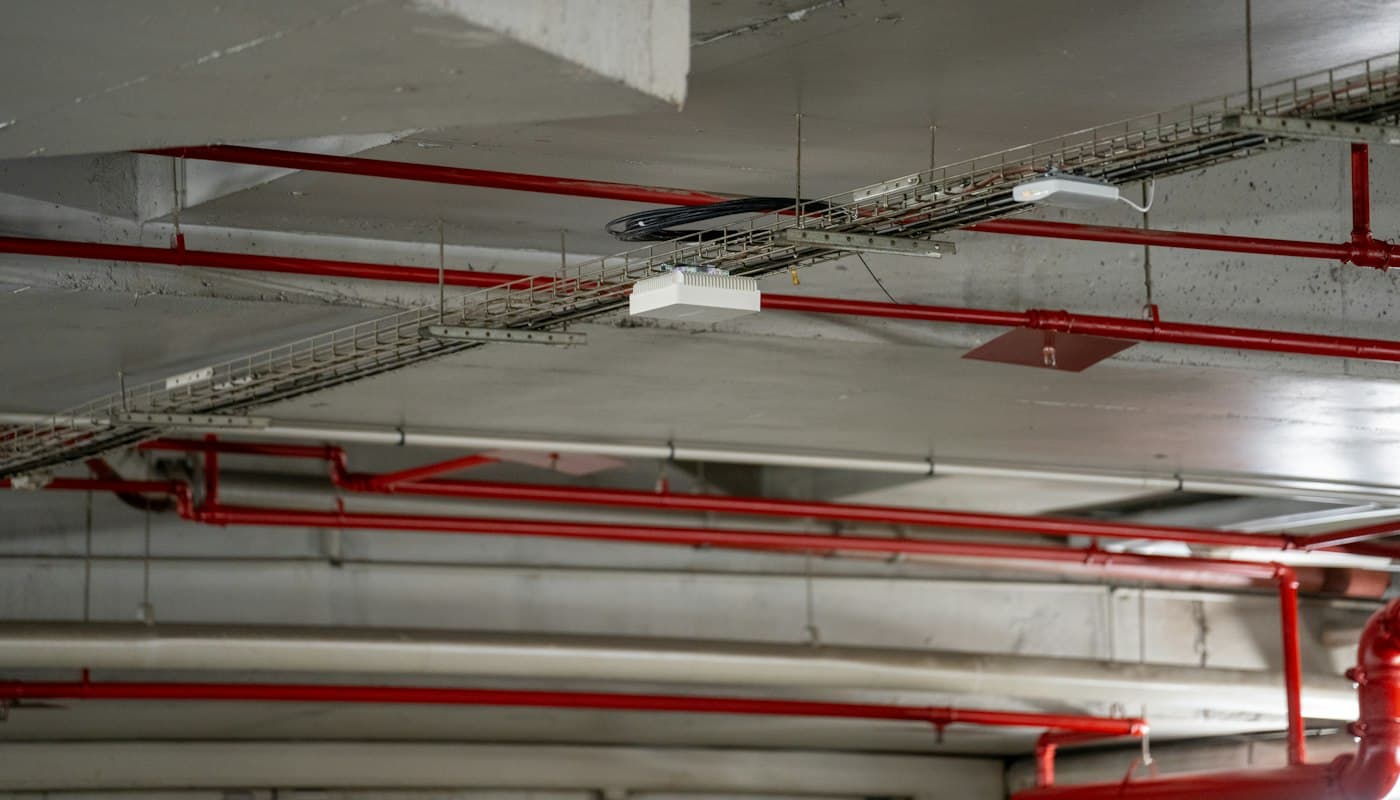
Photo by Valentin Lacoste on Unsplash
Sponsored content. This article was supplied by a third party and includes a link to a commercial service.
The most common fire safety mistakes during a sprinkler shutdown are poor notification, weak planning, no trained fire watch, uncontrolled hot work, piled-up combustibles, blocked access and a rushed return to service. Each one is avoidable with a little preparation.
A sprinkler system is often the main thing standing between a small fire and a large loss. When it is switched off, the site has less protection than normal. This article covers seven mistakes to avoid, and how to fix each one.
Why Do Sprinkler Shutdowns Create Extra Risk?
Sprinkler shutdowns create extra risk because the building loses its automatic fire suppression while work continues around it. On construction sites, that happens at the same time as sparks, temporary power, stored materials and many people moving through the building.
Shutdowns are normal. Sprinkler lines must be drained, extended, tied in or tested as the project advances. The risk comes from how the shutdown is handled. A well-run impairment is short, planned and covered by other safeguards. A poorly run one can leave a building exposed for days.
Mistake 1: Not Telling the Right People Before the Shutdown
Many sites shut off the system without notifying the fire marshal, the owner or the insurer. Skipping notification can lead to stop-work orders, coverage questions and confusion if a fire occurs.
Most jurisdictions expect advance notice of a planned impairment. Many programs also use an impairment tag on the closed valve and a designated person, often called an impairment coordinator, who tracks each shutdown from start to finish.
The fix is simple. Send written notice to everyone involved, record the dates and areas affected, and keep copies on site.
Mistake 2: Shutting Down More Than Necessary, for Longer Than Necessary
Another common error is draining a larger section of the system than the work requires, or starting before materials and crews are ready. Every extra hour without sprinklers adds risk.
Good planning limits the shutdown to the smallest zone possible. The crew should have pipe, fittings, tools and people on site before the valve is closed, and the work should be scheduled to finish within a single shift where it can.
Ask the fire protection contractor for a clear, realistic duration. Then build a small buffer into the plan, in case repairs take longer than expected.
Mistake 3: Skipping a Trained Fire Watch
The most serious mistake is having no real fire watch in place, or assigning someone who is not trained and has other duties. A fire watch is the standard temporary safeguard when automatic protection is offline.
A proper fire watch patrols on a set schedule, looks for fire hazards, can sound the alarm and keeps a written log. A laborer who is also carrying materials cannot do that. Many sites hire professional fire watch services so that trained guards cover every shift, including nights and weekends.
Check with the fire marshal on what level of coverage is required. In many places, a fire watch or other safeguard is a condition of continuing work.
Mistake 4: Allowing Hot Work Without Extra Controls
Hot work during a sprinkler outage is one of the most dangerous combinations on a site. Welding, cutting and grinding throw sparks, and the sprinklers that would normally respond are offline.
Many sites either continue hot work as usual or fail to coordinate it with the shutdown. Better practice is to limit hot work in the affected area, require a hot work permit, assign a dedicated fire watch and extend the watch time after work ends.
If hot work is not essential during the outage, move it to another time. A short delay is cheaper than a fire.
Mistake 5: Letting Combustible Materials Pile Up
Construction sites generate packaging, pallets, wood scraps, foam, plastic sheeting and trash. During a shutdown, a heavy buildup of these materials gives a fire plenty of fuel and no automatic response.
The fix is routine housekeeping. Remove debris at the end of every shift, store flammable materials away from the affected area and keep waste containers emptied. Check temporary protection such as plastic sheeting and scaffold wrap, since it can burn quickly.
A clean site slows a fire down, and gives the fire watch a clear view.
Mistake 6: Blocking Access and Forgetting Other Protection
Crews often focus on the sprinkler work and forget the rest of the fire safety plan. Extinguishers get buried behind materials, exits are partly blocked, and fire department access roads are used for storage.
During a shutdown, every other safeguard matters more. Keep portable extinguishers visible and charged, make sure exit routes are clear and confirm that firefighters can reach the building and any standpipes. Confirm that the fire alarm and other systems are still working where required.
Walk the site at the start of each shift and fix anything that is blocked, missing or out of date.
Mistake 7: Rushing or Mishandling the Return to Service
The final mistake happens at the end. A rushed restart can leave valves closed, skip testing or end the fire watch before the system is confirmed working.
A closed valve is a classic cause of failure in real fires, because everyone assumes the system is on. The return to service should include opening and checking valves, testing the system, removing the impairment tag and notifying the fire marshal, owner and insurer that protection is restored.
Keep the fire watch in place until the system has been tested and approved. Then close out the paperwork and file the log.
How Do You Choose a Fire Watch Provider for a Shutdown?
Choose a provider that can start quickly, supplies trained guards and documents every patrol. Sprinkler shutdowns often have short notice and tight windows, so reliability matters.
Ask whether a live person is available 24/7, how rounds are recorded and who your site contact will be. Request a written quote. When comparing fire watch services, ask for response commitments in writing instead of relying on marketing claims.
For example, Fast Fire Watch Guards says on its website that it covers sprinkler and alarm outages and construction sites, with 24/7 live dispatch, GPS-tracked patrols and written logs. Whichever provider you consider, confirm these details in your contract before the shutdown begins.
Frequently Asked Questions
Is a fire watch required when sprinklers are shut off?
In many places, yes. Fire codes generally expect a temporary safeguard when a sprinkler system is out of service, and a fire watch is the most common one. Requirements vary by city and state, so ask the local fire marshal what applies before you close the valve.
How long can a sprinkler system be shut down?
There is no single time limit that applies everywhere. Many authorities expect impairments to be as short as possible, and some require action if a shutdown continues for a set period. Ask the fire marshal about your area, and plan the work to finish quickly.
Who is responsible for coordinating a sprinkler impairment?
Usually the owner or the general contractor, often through a named impairment coordinator. The fire protection contractor handles the system work. Agree on roles in writing before the shutdown, so that notices, the fire watch and the return to service all have a clear owner.
Can site workers act as the fire watch?
Sometimes, if they are trained, have no other duties and the local authority agrees. Many contractors prefer professional fire watch services because trained guards provide steady coverage and documentation, without pulling workers away from the schedule.
What should be in a fire watch log?
A good log records the date, shift times, each patrol time, the areas checked, the guard’s name, any hazards found and any action taken. Keep it on site and share it with the fire marshal, owner or insurer when asked.
Final Thoughts
Sprinkler shutdowns are a normal part of construction, and the seven mistakes above are all preventable. Notify the right people, plan tightly, use a trained fire watch, control hot work, keep the site clean, protect access and restore the system carefully.
Review your next shutdown plan with your fire marshal and project team, and speak with a qualified provider before the valve is closed.