California has more electric vehicles on its roads than any other state, and in San Diego County, charging has become part of ordinary life, from home garages to grocery store parking lots. For someone considering an electric car, or a new owner trying to understand the options, the vocabulary can be a barrier. Terms such as Level 2, CCS and time-of-use can sound technical, but the underlying ideas are simple. Charging comes down to how fast the car can take energy, which plug fits and when and where the power is cheapest.
What are the three charging levels?
Charging speeds are grouped into levels.
- Level 1 uses a standard 120-volt household outlet. It is the slowest option, typically adding a few miles of range per hour, which is enough to recover an average day’s commute overnight for some drivers. It requires no special equipment beyond the cord that comes with many vehicles.
- Level 2 uses 240 volts, the same kind of circuit that powers a dryer or an oven, and adds much more range per hour, commonly in the range of tens of miles. It is the most common home and workplace option, and many public chargers in parking lots and garages are Level 2. A home installation usually requires a dedicated circuit and a licensed electrician.
- DC fast charging delivers direct current at high power and can add a large share of a battery’s range in roughly the time it takes to have a meal. These chargers are found along highways and in commercial sites. They cost more per unit of energy and, if used constantly, can wear a battery faster than slower charging, so many drivers use them mainly for trips.
Actual speeds depend on the vehicle, the battery’s temperature and its state of charge. Most cars charge faster when the battery is lower and slow down as it fills.
Which plugs fit which cars?
Connectors have been a source of confusion, though the market is consolidating.
- J1772 is the standard plug for Level 1 and Level 2 charging on most vehicles other than Tesla’s.
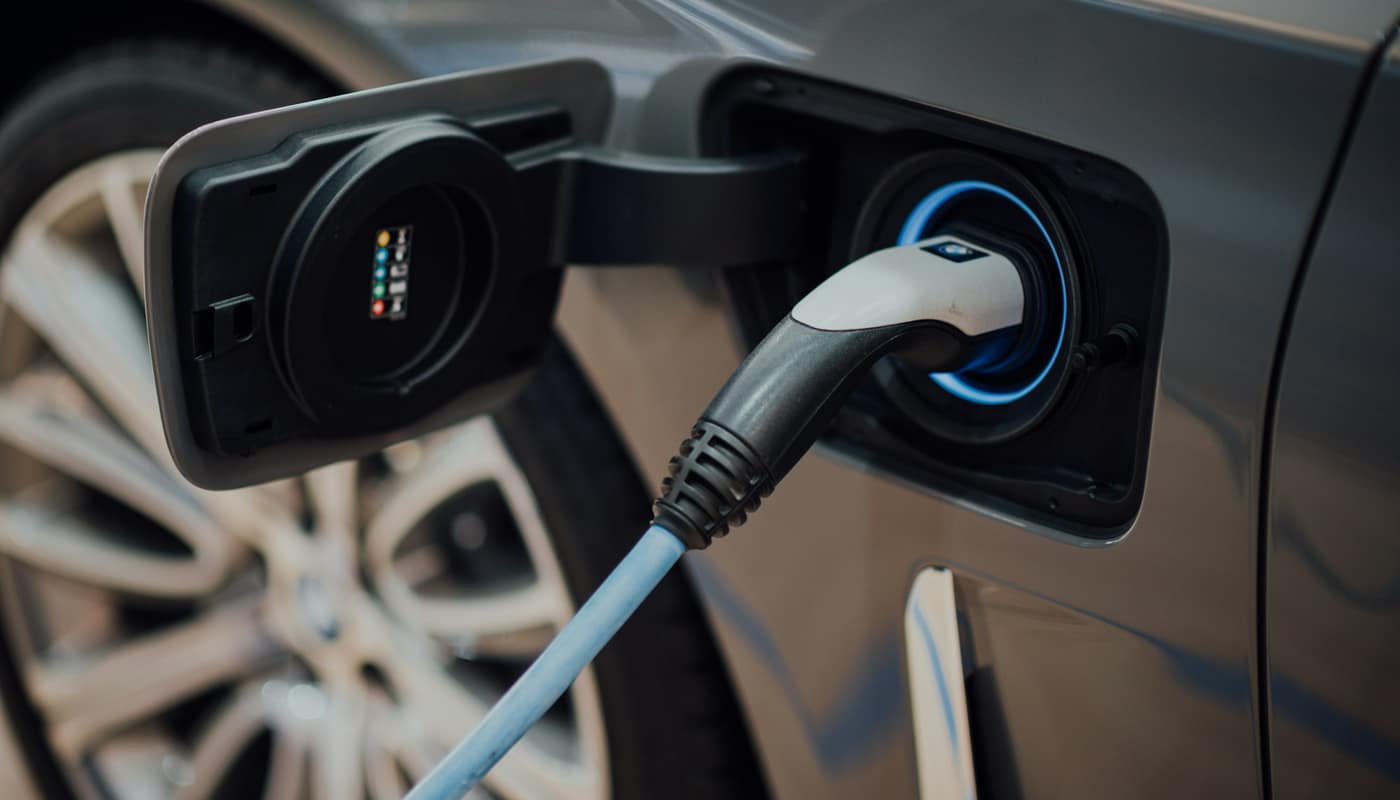
- CCS, the Combined Charging System, adds two extra pins below the J1772 shape to allow DC fast charging. Many non-Tesla vehicles use it.
- NACS, the North American Charging Standard, was developed by Tesla and is now being adopted by many other automakers. It uses a smaller plug for both AC and DC charging.
- CHAdeMO is an older standard used by some earlier vehicles and is becoming rarer.
Adapters bridge many of these differences, and Tesla vehicles typically come with a J1772 adapter to use public Level 2 stations. Anyone shopping for a car should check which connector it uses and which fast-charging networks it can access.
What does home charging require?
Most owners charge at home, and the setup is part of the purchase decision. Drivers who live in a house with a garage can often install a Level 2 charger on a 240-volt circuit, commonly rated at 40 amps or more, after an electrician assesses the home’s electrical panel. A panel that is full or old may need an upgrade, which adds cost. A permit is generally required for the installation, and the work should be done by a licensed professional.
Renters and people in condominiums or apartments face more obstacles. California law protects the right of many tenants and condominium owners to request installation of a charger at their own expense, under conditions, but it can still require approval and coordination with the landlord or the homeowners’ association. Some drivers rely on workplace or public charging, and a growing number of new buildings are required to include charging infrastructure.
How do utility rates affect the cost?
Electricity rates in California are often time-based, meaning the price per kilowatt-hour changes by time of day. Utilities offer special rate plans for electric vehicle owners. In San Diego, San Diego Gas & Electric has offered plans that cover either the whole household’s electricity or a separate meter dedicated to the vehicle, with prices that are lowest during a super off-peak window, usually overnight, and highest in the late afternoon and evening. Because the car can be programmed to start charging at a set time, shifting charging to the cheapest hours can reduce the cost considerably.
Rates and plans change, and the commission that oversees them, discussed in how the CPUC regulates utility bills, approves modifications periodically. Anyone considering a plan should compare it with their current one using the utility’s tools, since a time-of-use plan can raise bills for households that use a lot of power at peak hours.
What incentives exist?
Incentives for vehicles and chargers come from several sources and change often. At the state level, programs have offered rebates or incentives for electric vehicle purchases, and federal tax credits for new and used vehicles have existed under various rules, though eligibility and availability have shifted with federal policy. Utilities have offered rebates for home chargers and installation, and some offered rebates for used electric vehicles. Because amounts and eligibility vary, the best sources are the utility’s website, the state’s clean-vehicle information pages and a tax professional for questions about tax credits.
How does public charging work?
Public chargers are operated by networks, and each typically has its own app, card or payment system, though many now accept credit cards directly. Prices vary by network and by time of day, and some charge by kilowatt-hour while others charge by minute. A good practice is to plan longer trips around fast-charging stations and to check apps for real-time availability, since a broken or occupied charger is a common frustration. The state has funded many chargers and has set goals for building more, and regional planners, including the agency described in what SANDAG does, consider charging and transportation electrification in their long-range plans.
Etiquette matters. Leaving a car plugged in after it has finished charging blocks others, and many stations charge idle fees to encourage turnover.
What about range and wildfire season?
Drivers in California should consider how charging fits with emergencies. Power shutoffs during wildfire conditions can interrupt home charging, so keeping some charge in reserve is wise, particularly in areas at risk of evacuation, a topic covered in wildfire preparedness in San Diego County. Many drivers also learn that cold or hot weather and driving at high speeds can reduce range, so planning with a margin is sensible.
Is charging a good fit for everyone?
It depends on the household. Drivers with home charging and predictable commutes generally find it convenient and economical. Those without a place to plug in at home may find that relying on public chargers is more costly and time-consuming. Visiting a few public stations before buying, checking utility rates and asking an electrician for a quote can reveal what ownership would really look like. The technology is mature and the network is growing, and understanding the basics makes the transition much less intimidating.
Sources: California Energy Commission; San Diego Gas and Electric; U.S. Department of Energy; California Air Resources Board