California’s statewide sales tax rate is 7.25 percent, according to the California Department of Tax and Fee Administration (CDTFA), and many communities add a local district tax on top, so the rate on a receipt depends on where the sale happens. The tax applies to most physical goods, while most groceries and most services are generally outside it.
This explainer is written from the shopper’s side of the counter: how the rate is built, what is and is not taxed, what happens with online purchases, and where to confirm the figure for a specific address. A companion piece covers how sales and use tax works for sellers.
What is the California sales tax rate?
The CDTFA states that the statewide rate is 7.25 percent, effective as of October 1, 2026 on its rates page. That figure is not a single state levy. The agency’s breakdown shows it as several pieces:
| Component | Rate | Purpose, per CDTFA |
|---|---|---|
| State General Fund | 3.6875% | State General Fund |
| State General Fund (a 0.25% piece) | 0.25% | State General Fund |
| Local Public Safety Fund | 0.50% | Local criminal justice activities |
| Local Revenue Fund (1991 Realignment) | 0.50% | Local health and social services |
| Local Revenue Fund 2011 | 1.0625% | Local Revenue Fund 2011 |
| County transportation funds | 0.25% | Local transportation |
| City or county operations | 1.00% | Local city or county operations |
Adding the rows gives 7.25 percent. Grouped by destination, the CDTFA’s page puts 3.9375 percent in the state General Fund, 2.0625 percent in other state-collected amounts directed to local funds, and 1.25 percent in local transportation and city or county operations. In other words, a large share of the “state” rate is passed to local programs.
Why does the rate change from one city to the next?
On top of the base rate, counties, cities and towns can impose district taxes. The CDTFA says these range from 0.10 percent to 2.00 percent, that some areas have more than one, and that the money goes to the districts that impose them. The result is that two stores a short drive apart can charge different totals for the same item. The CDTFA publishes current rates by city and county and offers an address-based lookup tool on its website. Because rates can change, the agency’s lookup is the reliable source for a specific address; any rate quoted in an article, including this one, can go out of date.
How do you calculate the tax on a purchase?
The tax is a percentage of the taxable price. The arithmetic below is illustrative and uses a hypothetical combined rate, not any particular city’s rate.
- Taxable item priced at $80.00.
- Base rate only (7.25%): $80.00 × 0.0725 = $5.80 in tax, for a total of $85.80.
- Hypothetical 1.50% district tax added, for a combined 8.75%: $80.00 × 0.0875 = $7.00 in tax, for a total of $87.00.
The difference between the two cases is $1.20, which is $80.00 × 0.015. The tax is generally calculated on the amount actually charged, so a store discount lowers the taxable amount. The CDTFA’s restaurant guidance says tax applies to the amount the seller actually receives.
Which purchases are taxed, and which are not?
The CDTFA describes sales and use tax as applying to the retail sale or use of tangible personal property, meaning physical goods. Many laws reduce or remove the tax for particular property, people or organizations, according to the agency’s tax expenditure overview. Two broad patterns help most shoppers:
- Most physical goods, such as clothing, electronics and furniture, are taxable.
- Most services are not charged sales tax as services, although a service that involves transferring goods can create tax on the goods.
Food is where many people get confused, so it gets its own section below.
Is food taxed in California?
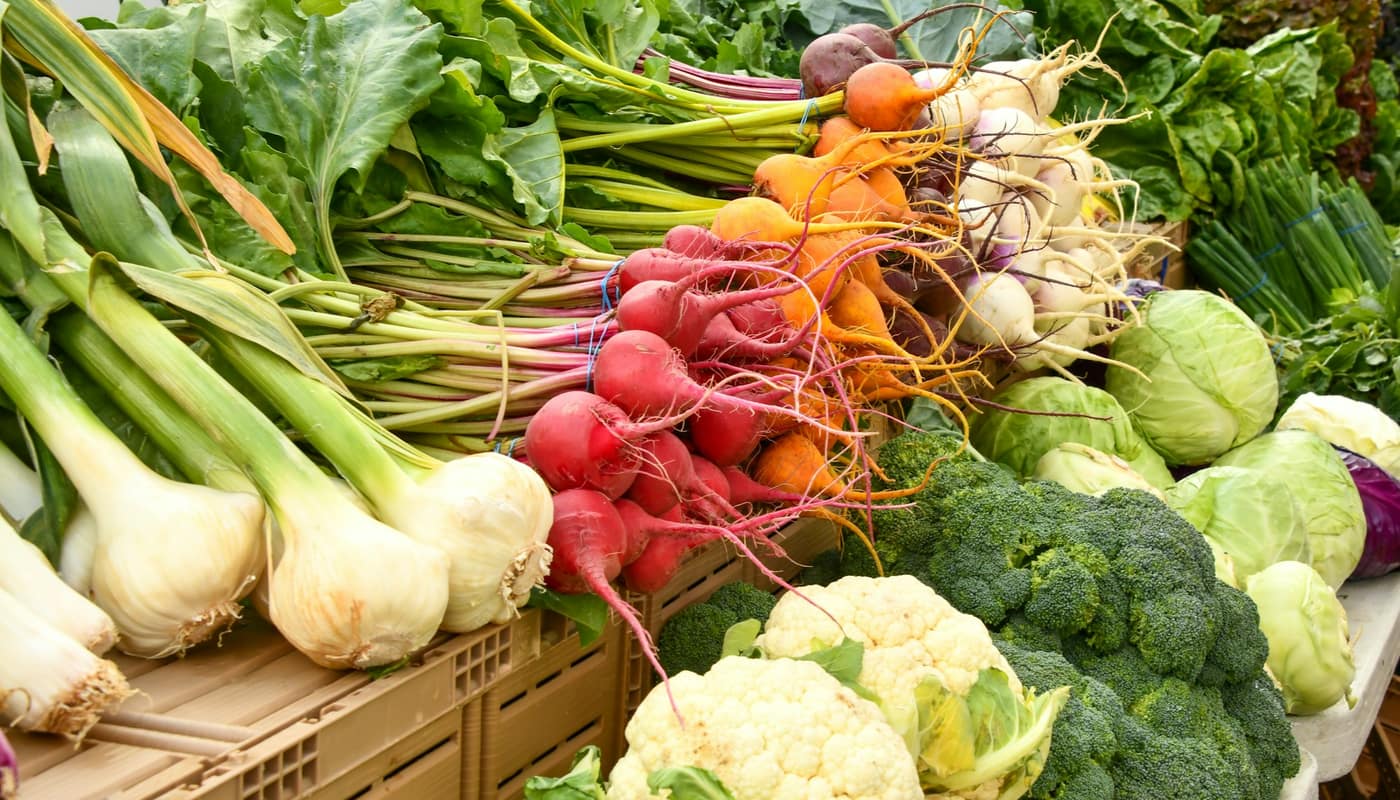
Mostly not, with important exceptions. According to the CDTFA’s grocery store guide, food for human consumption is generally nontaxable, but hot prepared food is generally taxable whether or not it is sold to go. Carbonated soft drinks are taxable; the agency says noncarbonated sports drinks are not.
The CDTFA’s guidance for grocers and restaurants adds several details that surprise people:
- Hot bakery goods: sold to go, they are exempt; eaten in the store, they are taxable.
- Dine-in meals: food and drinks consumed at a restaurant are always taxable, including cold food.
- To-go cold food: generally not taxable at a restaurant, though the agency describes a special “80-80 rule” that can make a business’s to-go sales taxable when more than 80 percent of its receipts come from food and more than 80 percent of its food sales are taxable.
- Hot drinks to go: coffee and tea are not taxable to go. Soda and alcoholic beverages are always taxable.
- Combination packages: if a to-go package includes hot food or a hot beverage, the CDTFA says the whole package is taxable; if it contains only cold food and a soda, tax applies to the soda’s price.
- CalFresh: eligible food bought with CalFresh benefits is exempt from tax, even if the item would normally be taxable, according to the agency. Hot foods, alcohol and some other items are not eligible for benefits in the first place.
Do tips, delivery fees and service charges count?
According to the CDTFA’s restaurant guide, optional tips are not taxable, but mandatory tips, gratuities or service charges are taxable even if the restaurant passes them to employees. Delivery fees generally follow the taxability of the food: a fee on a hot-food order is taxable, while a fee on a cold-only order is not. If hot and cold food are sold for one combined price, the whole amount, including the delivery fee, is taxable.
Shoppers sometimes see a separate line for a restaurant surcharge. The CDTFA says separately added surcharges are taxable. Whether a particular charge is a voluntary tip or a mandatory service charge depends on how the business presents and requires it, so the receipt and menu terms matter.
What happens when you buy online or from out of state?
Sales tax is imposed on the retailer, but a related tax covers the gap when no tax is collected. The CDTFA says use tax generally applies when someone stores, uses or consumes goods in California that were bought in a transaction not subject to sales tax, which can include mail-order, phone and internet purchases shipped from another state.
For a typical shopper, three points follow:
- Where an online seller collects California tax at checkout, nothing further is owed on that purchase. The seller-side rules are covered in the companion article linked above.
- If tax was not collected on a taxable item, the buyer owes use tax at the same rates. Items exempt from sales tax are also exempt from use tax, the agency says.
- Individuals without a seller’s permit or use tax account can report use tax on the California income tax return, which the CDTFA calls the easiest method, or pay through its online services. Use tax on vehicles, vessels and aircraft cannot be reported on the income tax return.
The CDTFA also says that from January 1, 2024 through December 31, 2028, a person with more than $10,000 in taxable purchases per year (excluding vehicles, vessels and aircraft) on which use tax has not been paid is a “qualified purchaser” who must register and report annually. On January 1, 2029, the agency says that threshold reverts to a $100,000 annual gross receipts test.
What are the common mistakes?
- Assuming all food is exempt. Hot prepared food, soda and dine-in meals are the usual exceptions.
- Treating sales tax as a fee the store sets. The rate is set by law and local voters or governments, and the store collects it for the state.
- Using the wrong rate. A neighboring city’s rate may differ; the address lookup avoids the guesswork.
- Believing online purchases are tax-free. Where the seller does not collect, use tax can still be owed.
- Confusing sales tax with other charges. Property taxes, as described in the Proposition 13 explainer, and income taxes, covered in California income tax brackets, are separate systems with separate rules.
Where the money goes, and why the rate is not simply cut or raised
Because the base rate is divided among state and local funds, sales tax matters to city and county budgets, as discussed in how the City of San Diego builds its budget. The CDTFA says district taxes are imposed by counties, cities and towns, so the rate a shopper sees reflects choices made at more than one level of government.
Checking your own receipt
For a shopper, the practical routine is simple: look up the rate for the store’s address using the CDTFA tool, remember that groceries are mostly exempt but hot food, soda and dine-in meals are not, and keep in mind that purchases made without tax at checkout may carry use tax. The CDTFA’s customer service center and its rate pages are the places to confirm the current figures, which the agency dated October 1, 2026 at the time of writing.
General information, not personalized financial, investment, tax or legal advice.
Sources: California Department of Tax and Fee Administration