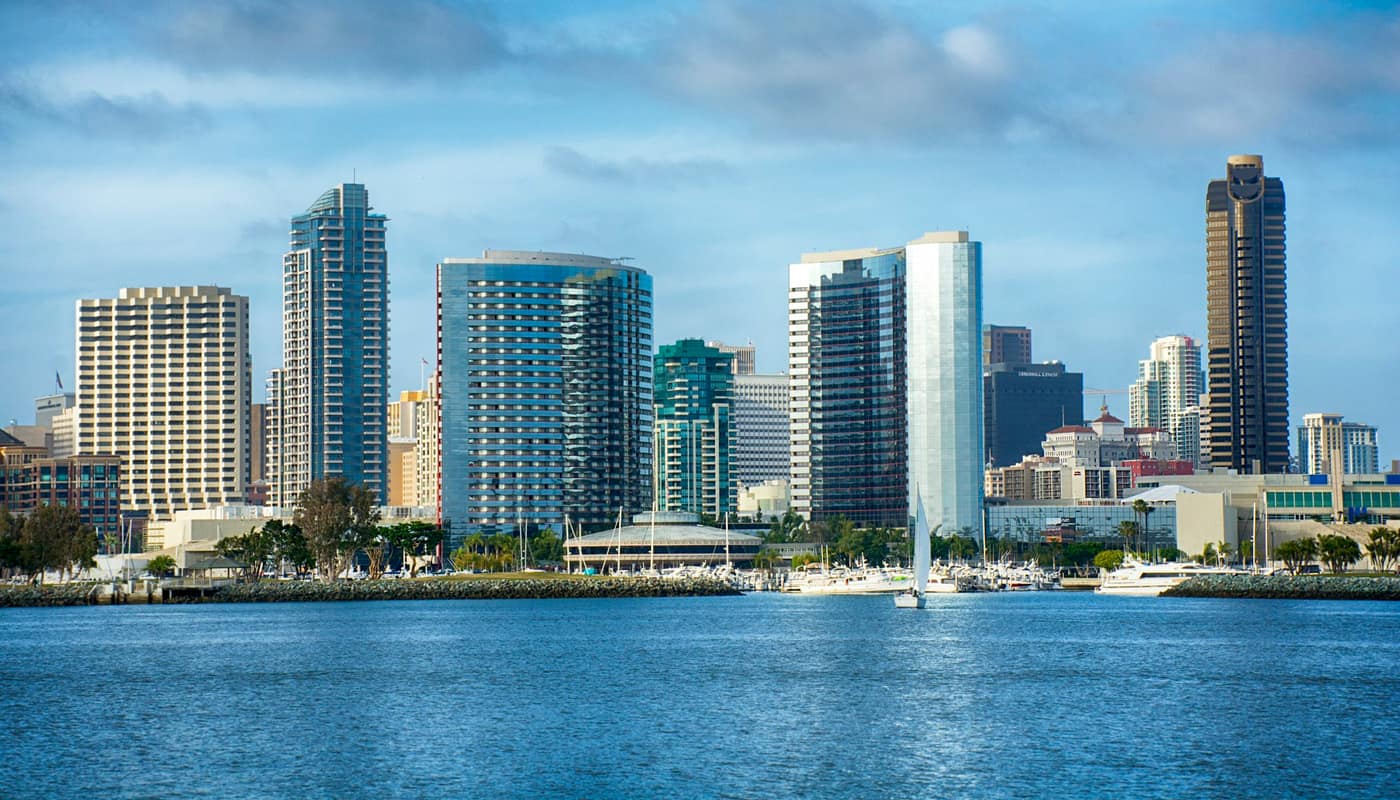
The City of San Diego spends its money on a calendar that most residents never see, even though the decisions made on it shape police staffing, library hours, street repairs and park maintenance for the next twelve months. The budget is not a single event. It is a sequence of proposals, hearings, revisions and votes that runs from late winter into early summer, and the structure is the same every year even when the numbers and the arguments change.
The fiscal year does not match the calendar year
San Diego’s fiscal year runs from July 1 through June 30 and is named for the calendar year in which it ends. A budget adopted in June 2026, for example, covers Fiscal Year 2027. That is why city budget documents carry labels such as “FY 2027” and why news coverage of the budget tends to appear in the spring and early summer rather than in January.
Two numbers appear in most coverage. The General Fund is the part of the budget that pays for core services such as police, fire-rescue, parks, libraries and street maintenance, and it is funded mostly by general taxes, including property tax, sales tax and transient occupancy tax, which is the tax on hotel stays. The overall budget is larger because it also includes funds that must be spent for specific purposes, such as the water and wastewater utilities, which are paid for largely by what ratepayers are charged. Comparing the two is a common source of confusion, and checking which figure a headline uses is a useful habit.
When does the process start?
Well before the mayor releases a proposal, city staff are working. Departments submit requests, the Department of Finance reviews them, and the city’s financial planners look at expected revenue and costs several years ahead. The mayor’s office decides what to put forward, and the City Council can signal priorities that it would like to see reflected, though under the strong-mayor system the proposal belongs to the mayor. If the structure of those roles is unfamiliar, how the city’s government is organized explains where each office fits.
What happens in the spring?
The calendar after the proposal is the part that is easiest to follow:
- April: the proposed budget. The mayor releases a proposed budget, generally in mid-April. It describes expected revenue, proposed spending by department, and what has changed from the current year.
- May: hearings and the May Revision. The council holds public hearings, usually in the Budget Review Committee, where department heads explain their requests and members ask questions. The public can speak at these hearings. In May, the mayor issues a revised proposal, known as the May Revision, which updates the numbers with newer revenue estimates and any adjustments the mayor wants to make.
- Early June: the Independent Budget Analyst weighs in. The council’s own budget analyst publishes recommended changes to the proposal. This is often the most useful document for readers who want a skeptical second opinion, because the office reports to the council rather than the mayor.
- By June 15: the council votes. Under the city’s rules, the council approves the budget by resolution on or before mid-June, often with modifications to the mayor’s plan.
- Within five business days: the veto window. After the council acts, the mayor may veto individual modifications the council made. The council can override a veto with the required supermajority.
- Late June: the Appropriation Ordinance. The council adopts an ordinance that turns the adopted budget into law, giving departments legal authority to spend the money.
- July 1: the new fiscal year begins.
What is a line-item veto, and who can use it?
The mayor’s line-item veto is the main check the mayor holds over the budget the council adopts. It lets the mayor strike specific changes the council made, such as a transfer of funds to a program the council wanted, without rejecting the whole budget. The council can then vote to override. Because the override threshold was raised when voters approved Proposition D in 2010, a veto is more difficult to reverse than it once was.
In practice, much of the haggling happens before any vote. The mayor’s office and council members negotiate over priorities, and the Independent Budget Analyst’s recommended modifications frequently form the basis for the compromises that the council adopts. A veto is more a backstop than a routine step.
Why do the numbers change so often?
A budget is a forecast, and forecasts get revised. Several things move the figures between the proposal and the adopted version:
- Revenue estimates. Sales tax, hotel tax and property tax collections depend on the economy, and tourism in particular responds quickly to changes in travel patterns.
- Labor costs. Contracts with city employee unions affect pay and benefits, which make up a large share of the General Fund.
- State and federal money. Grants and reimbursements can arrive, shrink or change their rules.
- Pension costs. The city’s annual payment toward its pension obligations is a fixed pressure that competes with other spending.
- Emergencies. Storms, fires and other events can require money that was not planned.
None of these are unusual. They explain why the “May Revision” exists and why mid-year adjustments are common.
How to read the budget yourself
The city publishes the budget in volumes, and the Department of Finance posts the calendar, the proposed and adopted versions, and summary pages for each department. A few tips make the documents easier to use:
- Start with the summary of the General Fund, which shows revenue sources and spending categories on a few pages.
- Look at department-level pages for the services you care about, which show staffing counts and budget changes from the prior year.
- Read the Independent Budget Analyst’s reports, which are written for council members who need a quick, critical overview.
- Compare proposed against adopted to see what the council changed.
Neighborhood-level questions, such as whether a particular street or park will get money, often turn on the city’s capital improvements program, which covers longer-term construction and repair projects. Those projects can be funded from several sources and can take years, so the budget is only part of the story. Some city operations, such as the Torrey Pines golf courses, are funded largely by the fees they collect.
Where the county and other agencies fit
The city budget covers only city services. Schools are funded separately through the district, and regional transit and planning agencies have their own budgets, as do the county and special districts. A resident who wants to understand the full picture of public spending affecting San Diego has to look at several documents, including those for the county government, which funds health and social services that the city does not.
Residents who want to take part do best when they come prepared. A short, specific request tied to a department’s page, such as a staffing level or a maintenance schedule, is easier for council members to act on than a general plea. It also helps to speak at the committee hearings in May rather than waiting for the final vote in June, because by then the main outlines of the compromise are usually set. Written comments are accepted and become part of the record, and council offices answer questions about where a particular line sits in the documents.
The annual budget is, in the end, the clearest statement a city makes about its priorities. It is also one of the easiest ways to take part: the hearings are public, the documents are posted online, and the calendar is the same every year.
Sources: City of San Diego Department of Finance; City of San Diego Office of the Independent Budget Analyst; San Diego City Charter; City of San Diego City Council