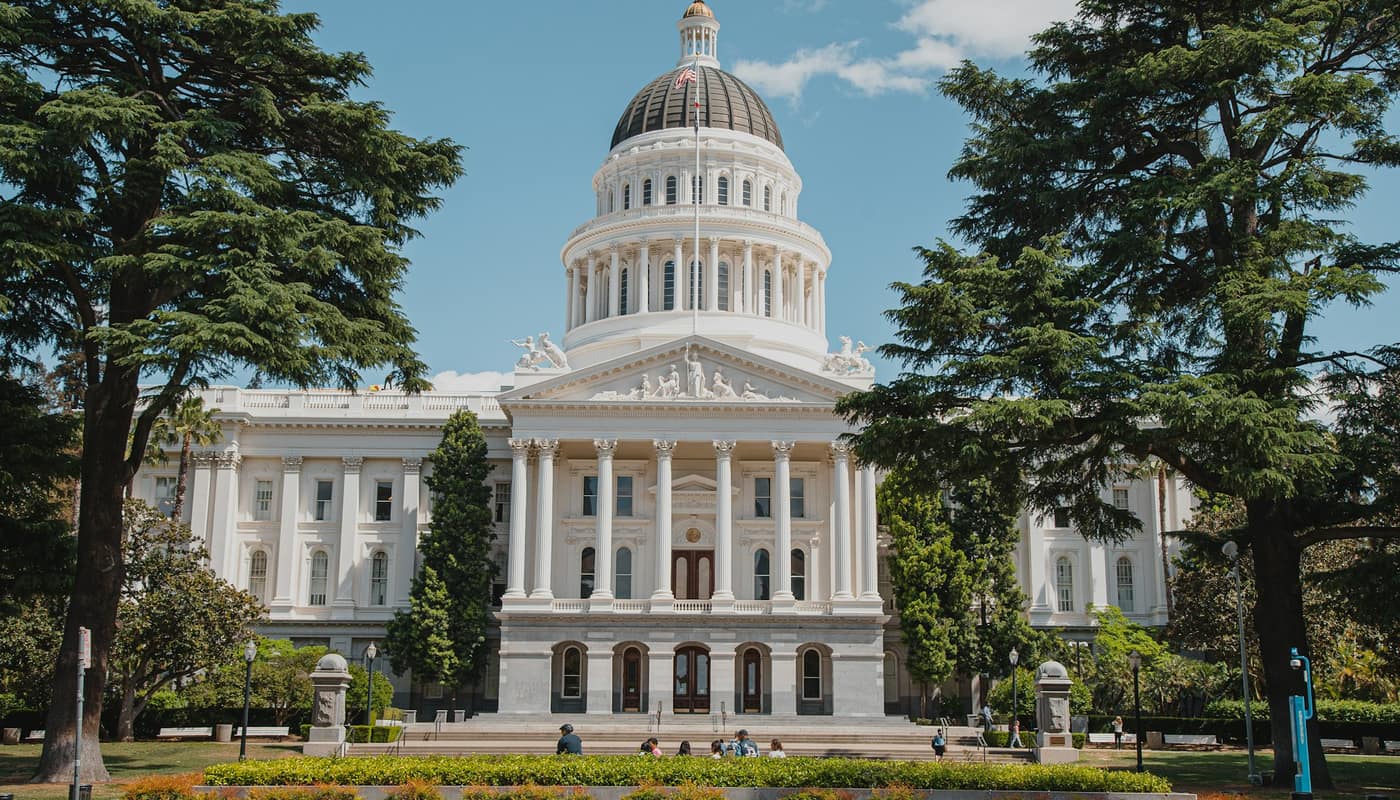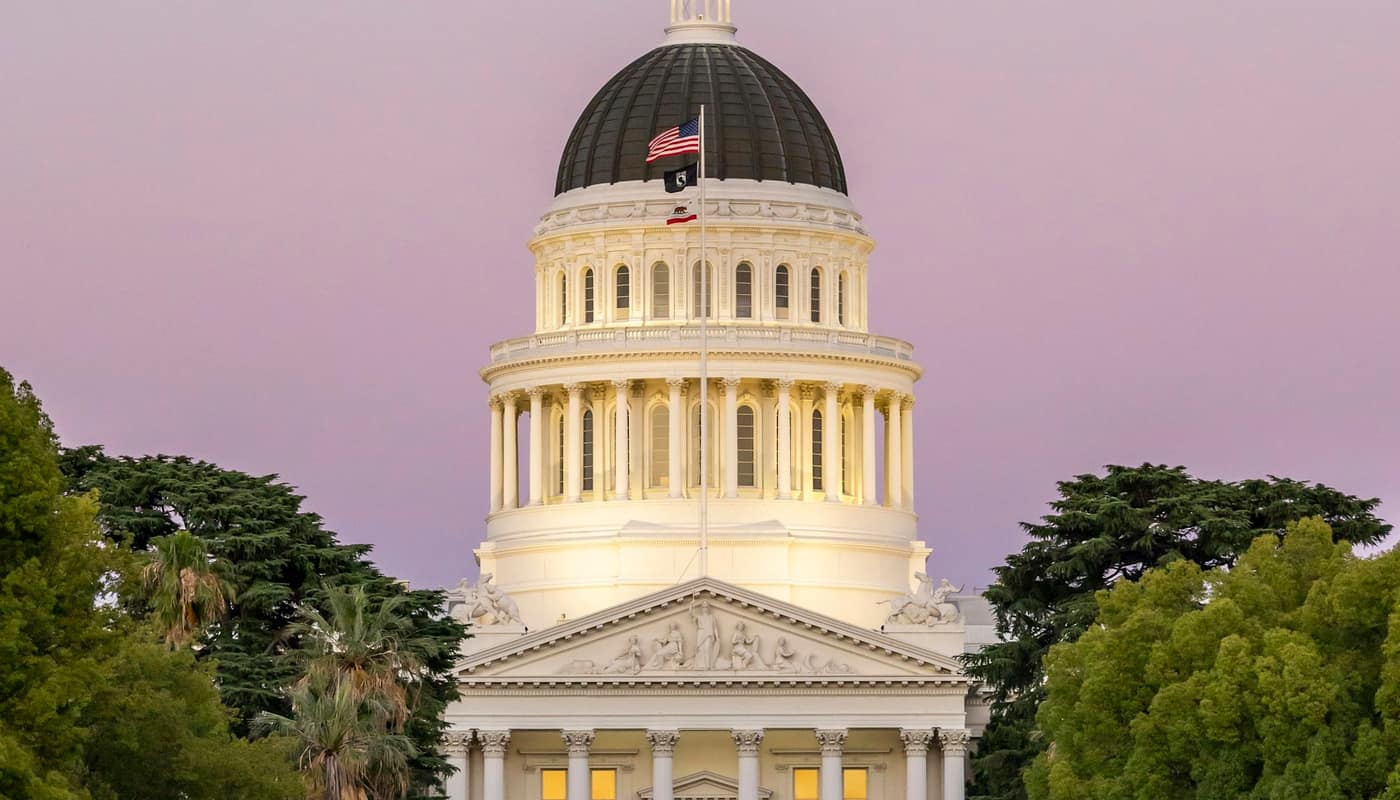
California’s state budget is one of the largest in the nation, and it funds everything from public universities and Medi-Cal to prisons, parks and aid to local governments. For residents of San Diego County, the budget matters in direct ways, because a significant share of what local schools, counties and transit agencies spend arrives from Sacramento. The budget follows a fixed calendar, a set of voter-approved rules and a political bargaining process that plays out over the first half of every year.
When does the process start?
The fiscal year runs from July 1 to June 30. The budget cycle begins months earlier, when the Department of Finance, which works for the governor, builds a proposal from agency requests, revenue forecasts and the governor’s priorities. By January 10 the governor must submit a proposed budget to the Legislature. The proposal sets out expected revenue and spending for the coming fiscal year and typically includes policy proposals.
The Legislative Analyst’s Office, a nonpartisan fiscal adviser to the Legislature, reviews the governor’s plan and publishes analyses that are widely read by reporters, advocates and legislators. Budget subcommittees in both houses then hold hearings through the winter and spring, taking testimony from administration officials, experts and members of the public.
What is the May Revision?
In mid-May, the governor releases a revised budget known as the May Revision. By then the state has received its April income tax payments, which are a major source of revenue, and the Department of Finance has a better picture of how the economy is performing. The May Revision updates the revenue forecast and often changes the governor’s proposals, sometimes sharply. In strong years it can bring good news, and in weak years it may include cuts or borrowing.
After the May Revision, the Legislature moves quickly. Legislative leaders negotiate among themselves, and with the governor, and each house adopts its own approach. The two houses often reach a joint legislative version of the budget in early June.
What happens on June 15?
The state constitution requires the Legislature to pass a balanced budget bill by June 15. Since voters approved Proposition 25 in 2010, a budget bill can pass with a simple majority vote, rather than the two-thirds vote that once gave minority-party legislators leverage to delay it. That proposition also provides that legislators forfeit their pay for each day after June 15 that the Legislature has not passed a budget. As a result, the Legislature has passed a budget on time in most years since, even if only as a placeholder to meet the deadline.
The June 15 bill often reflects the Legislature’s position, and the governor may not have agreed to it yet. Negotiations continue and are followed by a “budget bill junior,” which amends the main bill to reflect a final deal, and by trailer bills, which carry statutory changes needed to implement the spending. The governor signs the budget before the start of the fiscal year, and has the power of a line-item veto to reduce or eliminate individual appropriations.
Tax increases still need a two-thirds vote, so while the spending plan can pass on a majority vote, a revenue increase may require support from members of both parties or from a supermajority of the majority party.
What is Proposition 98?
One piece of the budget is not entirely up to legislators. Proposition 98, approved by voters in 1988, sets a minimum level of funding for K-12 schools and community colleges. The formula calculates a guarantee tied to General Fund revenue, and the state constitution describes several tests that determine which calculation applies in a given year. When revenue rises, the guarantee generally rises with it, and when revenue falls the guarantee falls too. A large portion of the state’s General Fund therefore goes to schools and community colleges automatically.
That structure affects what local school districts, such as San Diego Unified, can count on from year to year, and why the May Revision can shift school budgets even when no one has changed a policy.
What are the state’s reserves?
California has several reserves that are designed to cushion the budget in downturns. The main one is the Budget Stabilization Account, often called the rainy-day fund, which Proposition 2 in 2014 reshaped. The measure requires the state to set aside a portion of revenue each year, including a share of volatile capital-gains-driven revenue, and to use some of that money to pay down debts. Withdrawals are allowed only under specific circumstances, such as a budget emergency declared by the governor.
Proposition 2 also created a separate school reserve within the Proposition 98 framework. Other, discretionary reserves exist as well, and the Legislative Analyst’s Office regularly reports on how much is available and how much the budget plan proposes to use.
Where does the money come from, and where does it go?
California’s General Fund relies heavily on the personal income tax, which is progressive and depends on the incomes of high earners, including capital gains and stock compensation. That makes revenue volatile, rising sharply in boom years and falling in downturns. Sales tax and corporate taxes supply most of the rest. Other state funds, including special funds and federal money, support particular programs.
On the spending side, the largest categories are K-14 education, health and human services, including Medi-Cal, higher education, corrections and rehabilitation, and transportation. Some of the spending is mandated by federal law or by voter initiatives, which limits flexibility. A distinct share is local assistance, money passed through to counties, cities and special districts. For San Diego County, that includes funding for health and social service programs, which fit into the county’s budget described in what the Board of Supervisors controls.
What about property taxes and local government?
State and local finances are closely tied. The state decides how property tax revenue is divided among schools, counties and cities, and its decisions about reimbursements, mandates and fee authority shape what local governments can do. The property tax limits adopted in 1978, explained in Proposition 13, set the framework within which those decisions are made.
How can residents follow the budget?
The governor’s budget website posts the proposal, the May Revision and detailed documents by department. The Legislative Analyst’s Office publishes analyses, including plain-language overviews and summaries of the final budget. The Senate and Assembly budget committees post hearing schedules and agendas. Nonprofit research groups also publish explainers and tracking tools. A good practice is to read the LAO’s summary first, to understand the main choices, and then to check how particular programs, such as local schools or health care, are treated.
The state budget is a statement of priorities as well as a spending plan. Because it is built on forecasts, it changes more often than its calendar suggests, and mid-year adjustments, special sessions and revised estimates are common. Following it takes patience, but it shows where the state’s money comes from, who gets it and how decisions are made.
Sources: California Department of Finance; California Legislative Analyst’s Office; California Constitution; California State Legislature