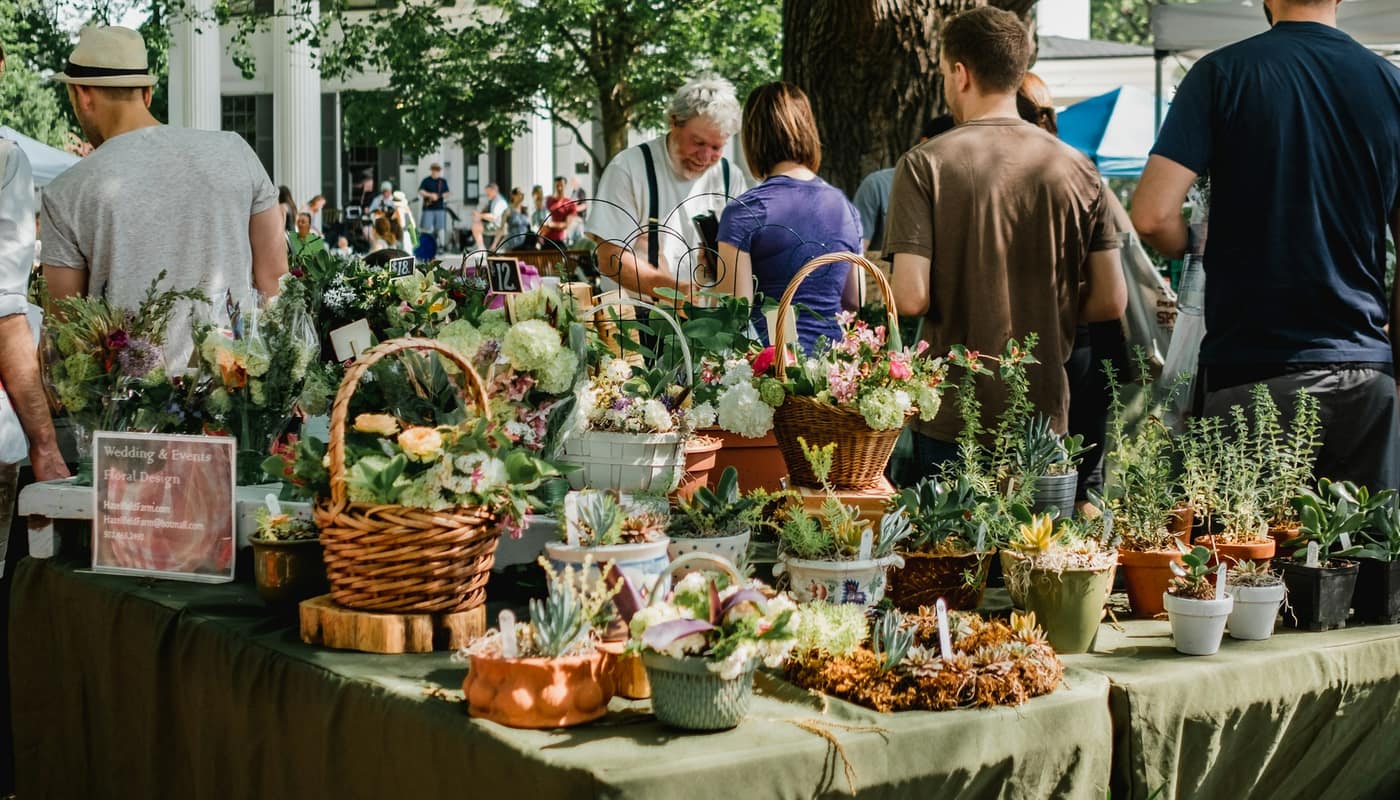
San Diego County has dozens of farmers’ markets, from long-running weekly events in downtown neighborhoods to small gatherings in suburban parking lots. They are a pleasure to browse, with stacks of citrus, stone fruit, greens and flowers, and many shoppers are drawn by the idea that they are buying directly from the person who grew the food. That idea has a legal basis in California, where a particular kind of market, called a certified farmers’ market, is regulated to make sure it is true. Knowing what the certification covers, and what it does not, helps shoppers choose well.
What is a certified farmers’ market?
California’s certified farmers’ market program dates to 1977. It lets California farmers sell their products directly to consumers under rules designed to ensure that what is on the table was grown by the seller. At a certified market, produce is sold by certified producers, meaning growers who have received a certificate from the county agricultural commissioner where the crops are grown. The market itself is certified by the county where it operates, and it is overseen by a market manager.
The program exists to protect both farmers and shoppers. Farmers who grow what they sell are protected from competition by resellers pretending to be growers, and shoppers can trust that a seller labeled as a farmer is one.
How does a farmer become a certified producer?
To sell at a certified market, a grower applies to the agricultural commissioner in the county where the farm is located. The process generally includes an inspection of the growing grounds to verify that the crops are grown there, and the county issues a certified producer certificate that lists exactly which products the grower may sell. The certificate is valid for a limited period, typically a year, and must be renewed. Sellers must post it where customers can see it.
Having a certificate does not guarantee a place at a market, since each market sets its own mix of vendors. Inspectors from the county visit markets to check that sellers hold valid certificates and are selling only the products listed. Organic claims are a separate matter, governed by organic certification rules and registration with the state.
What can be sold, and by whom?
Certified producers can sell fresh fruits, vegetables, nuts, eggs, honey, flowers and nursery stock that they grow, and the certificate lists these items. Some processed goods, such as jams, baked goods or prepared foods, are generally handled under other rules and permits, and they may be sold by vendors who are not producers. A producer may sell another certified producer’s products only under specific conditions, so a stall that appears to offer a very wide range of produce may be combining several farms’ goods legally or may be a non-certified vendor.
Shoppers who want to know can ask. A legitimate producer will usually be glad to explain what grows on the farm, when different crops are in season and how the products are raised. The certificate should be visible, and it lists the farm’s location and the items covered.
How do you use CalFresh and Market Match?
Certified markets are a place where people who receive food assistance can use their benefits. Many markets accept CalFresh, California’s name for the federal food assistance program, through electronic benefit transfer, or EBT, cards. A market usually has an information booth where a shopper swipes the card and receives tokens or scrip to spend with vendors.
Many also participate in Market Match, a statewide program that doubles the value of CalFresh dollars spent on produce, up to a daily limit. The amount of the match, the daily cap and the funding available can differ by market and season, since the program is funded by grants and may run out. Some markets also accept benefits from nutrition programs for women, infants and children and for seniors. San Diego County and local organizations publish lists of the markets that accept these benefits, and the market’s own website is the best source for current details. Shoppers should ask at the information booth how their benefits can be used that day.
What should you look for when shopping?
A few simple habits help.
- Walk the whole market first. Prices and quality vary, and a lap lets a shopper compare before buying.
- Shop what is in season. Produce at its peak tastes better and is usually cheaper. Southern California’s long growing season means citrus, avocados, strawberries, leafy greens and many other crops are available much of the year, though specific items come and go.
- Ask questions. Farmers can say what variety something is, how to pick ripe fruit and how to cook it.
- Check the price per unit. Signs may list prices by the pound or by the item.
- Bring bags and small bills. Many vendors take cards or mobile payments, but cash is useful and speeds up transactions.
- Go early for the best selection, late for bargains. Popular items may sell out, while some vendors offer discounts toward closing time.
Some products, such as groceries, are generally not subject to sales tax in California, which explains why most produce purchases show no tax. The tax treatment of prepared food and other items differs, as discussed in how California sales and use tax works for sellers.
Are certified markets the only option?
No. Other ways to buy local food include farm stands, community supported agriculture subscriptions, in which customers pay a farm in advance for regular boxes of produce, and local grocery stores that stock regional products. Some markets are not certified and may mix local and imported goods, so shoppers who care about direct-from-farm sales should look for the certified label or ask. The same logic applies to seafood sold on the docks, described in where San Diego’s seafood comes from.
What do markets add to a neighborhood?
Beyond the food, farmers’ markets are social spaces. They provide a living for small farms, many of them family operations in the county’s inland valleys, and they bring foot traffic to neighborhood streets. They also help fill gaps in access to fresh food in areas with few supermarkets, especially when benefits programs make produce more affordable. Many markets host live music, cooking demonstrations and community groups.
San Diego’s farms face challenges, including the cost of water, land and labor, a subject linked to the region’s supply issues in where San Diego’s water comes from. Direct sales help farmers capture more of the value of what they grow, which is one reason supporters encourage shoppers to buy from them.
How to find a market
The county’s agriculture department and local market associations publish directories with days, times and locations. Many markets operate weekly on set days, and a few run year-round. Checking the market’s website before going confirms hours, vendors and whether benefits programs are available. A first visit is easy: bring a bag, take a lap and let the season guide what goes into the basket.
Sources: California Department of Food and Agriculture; San Diego County Agriculture, Weights and Measures; California Department of Social Services CalFresh; San Diego County Health and Human Services Agency