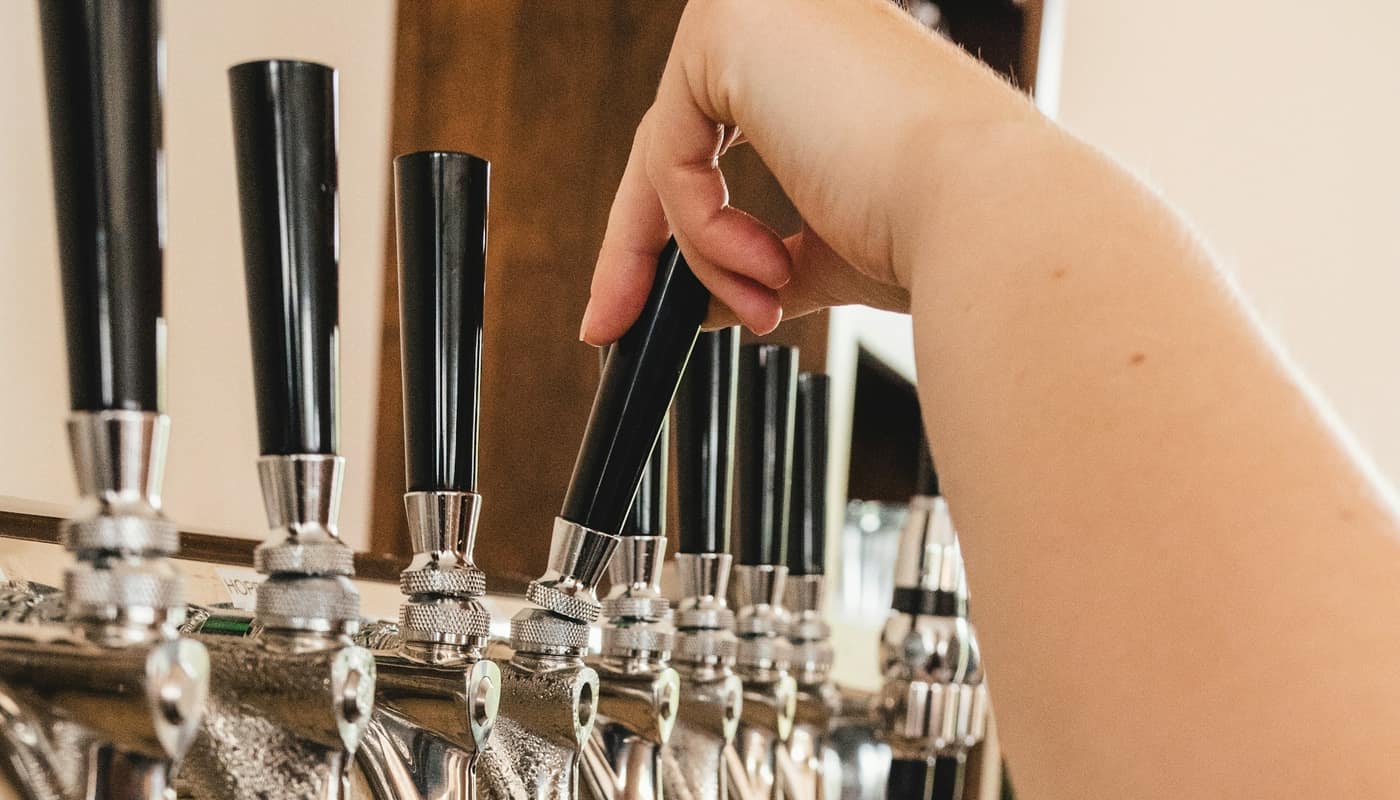
San Diego has been called a capital of American craft beer, and the title is not just local boosterism. The county has more breweries than many entire states, and its beers, especially intensely hoppy IPAs, have influenced how brewers across the country think about flavor. For a visitor, a brewery stop is as much a part of the region’s culture as the beach. For residents, the scene is a local industry with real jobs and a social habit built around tasting rooms.
How did it start?
The modern story usually begins in 1989, when Karl Strauss Brewing Company opened a brewpub in downtown San Diego. Karl Strauss, a veteran brewmaster, and his partners are widely credited with launching the city’s craft beer era, and the company describes its opening as the start of the local industry. Accounts differ on how to describe its place in history, since the county had earlier breweries before Prohibition and a long gap afterward, but there is general agreement that the late 1980s marked the start of the modern craft movement in the region.
The 1990s brought a wave of new breweries, many founded by people who had worked at or been inspired by early brewpubs. AleSmith opened in 1995. In 1996, Stone Brewing began brewing in San Marcos, founded by Greg Koch and Steve Wagner, and Coronado Brewing and Ballast Point, the latter starting from a home brewing supply shop, also began. Early staff from the first brewpub went on to start other breweries, and the community was famously collegial, with brewers trading ideas, equipment and advice.
What is the West Coast IPA?
The style most associated with San Diego is the West Coast India pale ale. It is a pale ale, often golden to amber, brewed with a generous quantity of hops, the flowers that give beer its bitterness and aroma. In the West Coast style, the hops tend toward citrus, grapefruit, pine and resin, balanced against a crisp, dry body. Brewers in the region helped popularize intensely bitter, aromatic beers at a time when many drinkers were used to lighter lagers, and some of the local breweries became known for their strong IPAs and double IPAs.
Over time, tastes have shifted. Hazier, juicier IPAs with softer bitterness gained popularity, and lagers, sour beers, barrel-aged stouts and other styles have found audiences. Many San Diego breweries make a wide range, and some local brewers argue that the area’s style has evolved beyond a single definition.
How big is the scene?
Counts vary depending on the date and on what is counted, but published tallies in recent years have ranged from well over a hundred to a few hundred locations, depending on whether satellite tasting rooms, brewpubs and contract brands are included. Industry organizations such as the San Diego Brewers Guild keep directories. The number has fluctuated, with a wave of openings in the 2010s followed by closures and consolidations as competition increased, and as large companies acquired some well-known local labels. The industry also shows up in the regional economy, as part of the food and beverage sector alongside the larger industries described in the regional economy guide.
Where are the main brewery neighborhoods?
Breweries are spread across the county, but a few areas have concentrations that make them good for a visit.
- North Park and nearby neighborhoods, where smaller taprooms sit within walking distance of each other, alongside restaurants, shops and bars.
- Miramar and Kearny Mesa, industrial areas with large production breweries and tasting rooms, sometimes called a beer corridor, where visitors can sample at several sites in a short drive.
- The coast, from Ocean Beach to Oceanside, where breweries sit near beaches and often serve food.
- Downtown and the East Village, which include brewpubs close to ballpark and convention attractions.
- North County, home to some of the largest and best-known breweries, with gardens and restaurants.
Many breweries offer food or have food trucks, and some allow dogs and families in outdoor spaces. Hours and rules vary, so checking ahead is wise.
How should you plan a visit?
A little planning improves the experience:
- Pick a cluster. Visiting several breweries in one neighborhood limits driving and makes it easier to compare beers.
- Order flights. A tasting flight, a set of small pours, lets visitors try several styles for a moderate price.
- Eat something. Food slows the effect of alcohol and gives a better sense of how beers pair with dishes.
- Ask the staff. Bartenders can help find a style that suits a taste, whether it is bitter, malty, sour or light.
- Consider a tour. Guided tours, some with transportation, take visitors to several breweries, and some breweries offer behind-the-scenes tours of their brewing equipment.
How can you do it safely?
Drinking and driving is dangerous and illegal, and a night of tasting can add up faster than expected. Options include designating a driver, hiring a tour operator, using a rideshare or taking public transportation. Some breweries are near Trolley or bus lines, as discussed in riding the Trolley and buses, and the neighborhoods around the downtown ballpark and the Gaslamp Quarter are accessible by transit. For those attending baseball games, the Petco Park guide describes how to get to the area and the beer options nearby. Pace tastings, drink water between pours and know personal limits.
How are breweries regulated?
Breweries hold state and federal licenses, and they must follow rules on production, labeling, taxes and sales. In California, the Department of Alcoholic Beverage Control issues licenses and regulates where and how alcohol may be sold. Local zoning also governs where breweries and tasting rooms can operate, and cities have changed their rules to allow them in industrial and commercial areas. Breweries that serve food are subject to the health inspections covered in how restaurant letter grades work.
What else is worth trying besides IPA?
Local breweries make far more than hoppy ale. Many produce crisp pilsners and lagers, which have seen a revival, along with Belgian-style ales, saisons, wheat beers, stouts and porters, and tart sour beers aged with fruit. Seasonal releases, such as dark beers in winter and fresh-hop beers around harvest time, give regulars something new to look for. Several breweries also make hard seltzers, ciders or non-alcoholic beer, and some partner with local restaurants for food pairings. Asking for a recommendation outside the IPA lane is one of the best ways to discover what a particular brewer does well.
What is the scene’s future?
The industry has faced pressures in recent years, including higher costs for ingredients, rent and labor, competition from other beverages and shifting consumer habits, such as a growing interest in lower-alcohol and non-alcoholic options. Some breweries have responded by diversifying, adding food, events and non-alcoholic beers. The community nature of the scene, with its collaborations and local loyalty, has helped it adapt.
For a visitor or a resident, the best way to experience it is to go out and taste. A single afternoon in a tasting room, talking with the people who made the beer, tells more about San Diego’s craft culture than any list could.
Sources: San Diego Brewers Guild; Karl Strauss Brewing Company; California Department of Alcoholic Beverage Control; Brewers Association