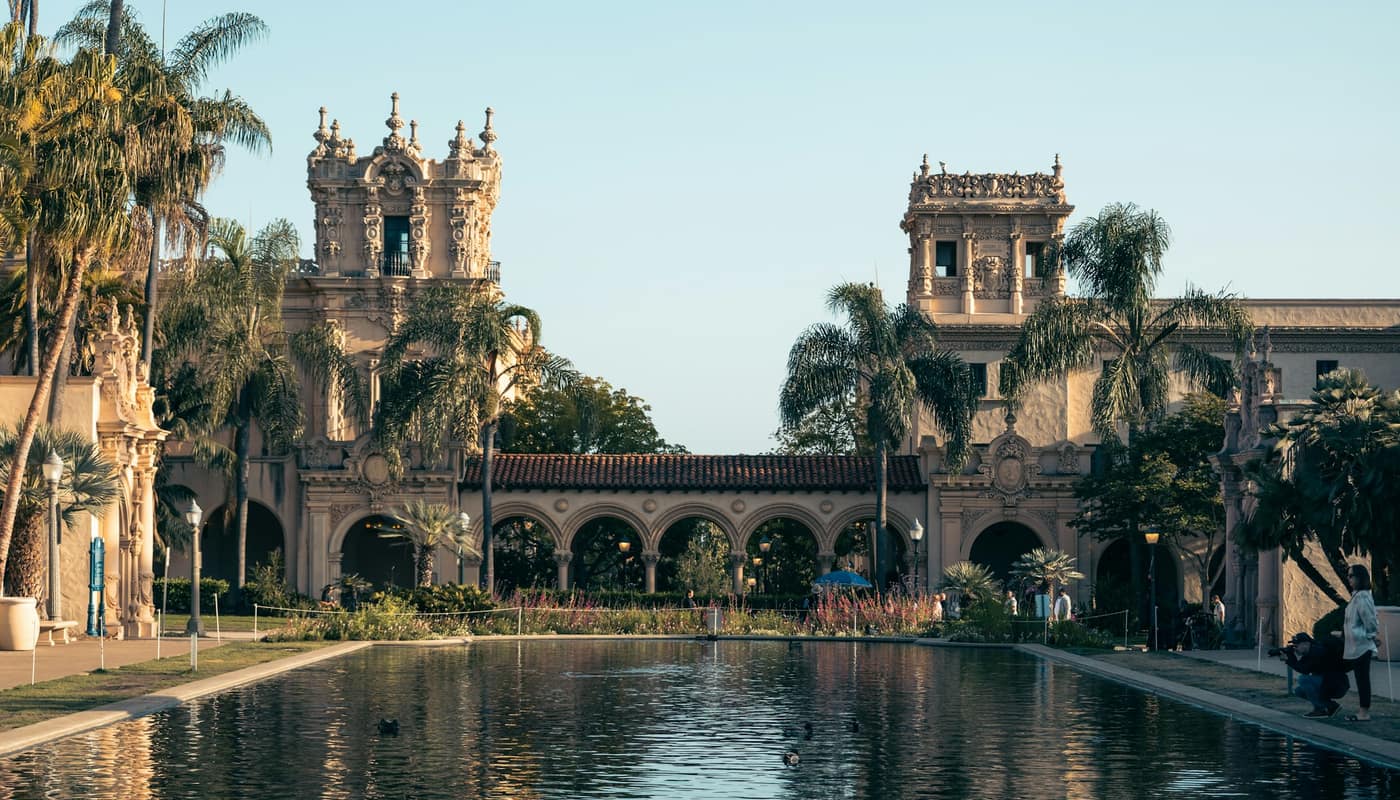
In the middle of Balboa Park, beside the grand Prado and the Spanish Colonial arcades, sits a complex of theaters that serves one of San Diego’s most beloved cultural institutions. The Old Globe has produced classic plays and new work for close to nine decades, sent productions to Broadway and anchored the city’s identity as a place for serious theater. Its history mirrors the story of the park itself: born as an exposition attraction, rescued by community effort and reinvented repeatedly.
How did the Old Globe begin?
The theater’s origins lie in the California Pacific International Exposition of 1935 and 1936, the second world’s fair held in Balboa Park. Organizers built a replica of Shakespeare’s Globe Theatre in London to present shortened versions of Shakespeare’s plays for fairgoers. The fair was meant to be temporary, but San Diegans who had enjoyed the performances wanted to keep the playhouse, and local residents formed a community theater organization to operate it. That group became the Old Globe, among the earliest nonprofit theaters in California.
The years that followed were marked by interruptions and change. During World War II, the Navy took over much of Balboa Park, and the theater’s company had to leave. Performances resumed after the war, and in the late 1940s the Globe launched a Shakespeare festival that became a summer tradition. A young director named Craig Noel, who had first joined in the late 1930s, became the figure most closely associated with the theater’s growth, guiding it for decades as artistic leader and helping it become a professional company.
What happened in 1978?
A fire set by an arsonist destroyed the main theater building in 1978. Community support was strong: donations came from residents, businesses and foundations, and the city committed to rebuild. A new Old Globe Theatre opened in January 1982, and it has remained the heart of the complex. The episode is often told as a story of civic determination, and it left the theater with a deeper base of local donors and supporters.
What recognition has it received?
In 1984, the Old Globe received the Tony Award for outstanding achievement by a regional theater, an honor that acknowledged its role among the country’s leading nonprofit theaters. Productions that began at the Globe have gone on to Broadway, and the theater says shows from its stages have collectively won multiple Tony Awards. It is also known as a place where playwrights, directors and actors from around the country develop and premiere new work, and as the home of programs that train young actors.
What are the three stages?
The complex, now known as the Conrad Prebys Theatre Center, includes three performance spaces.
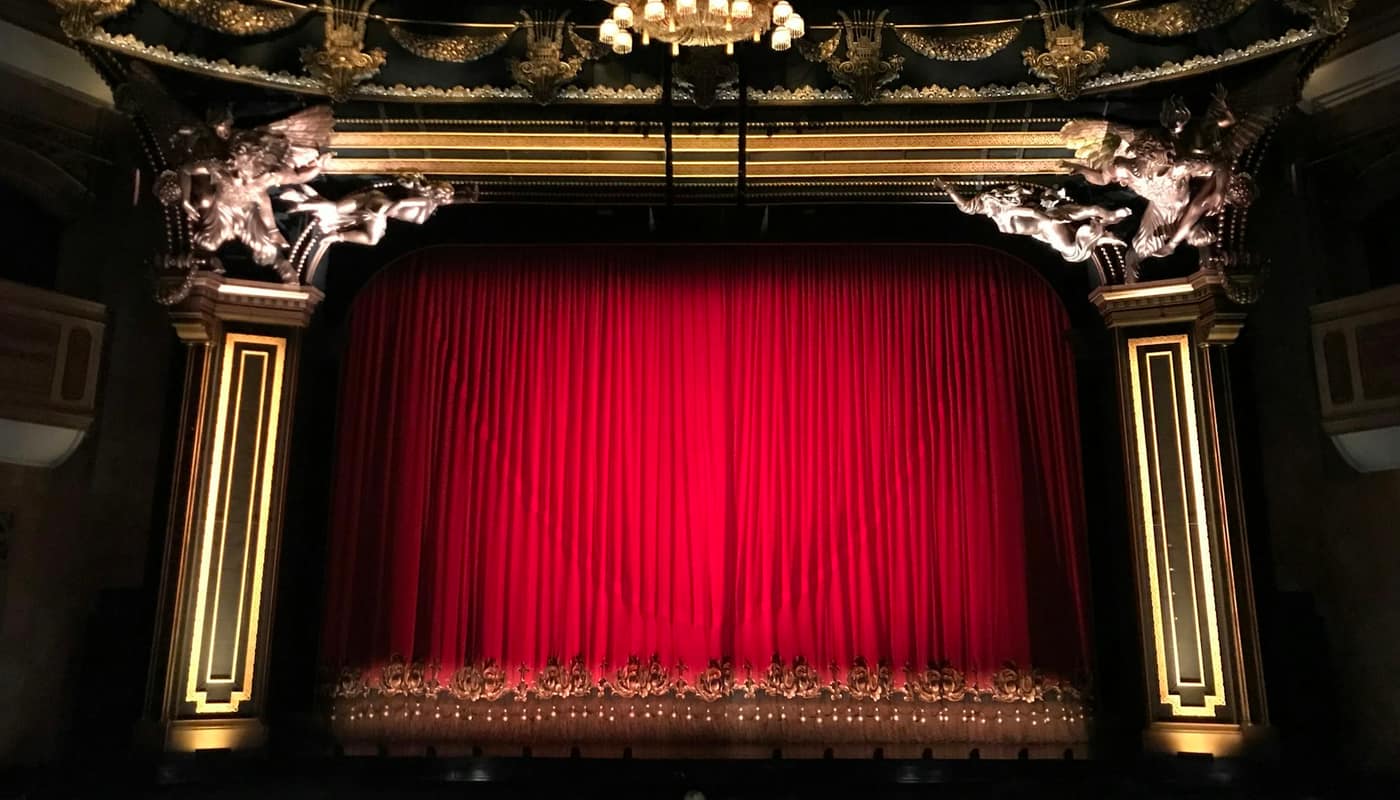
- The Old Globe Theatre, a 580-seat theater, named for the Shileys in recognition of a major gift, is the flagship stage and hosts the season’s main productions, often classics and large-scale new plays.
- The Lowell Davies Festival Theatre, an outdoor stage, is the home of summer productions, which include Shakespeare, in the open air of Balboa Park.
- The Sheryl and Harvey White Theatre, a smaller, more flexible space, previously known as the Cassius Carter Centre Stage, is used for intimate productions and new work.
The theater also runs education programs, including classes and school visits, and community programs that bring performances to wider audiences. Its seasons typically combine well-known plays, musicals, new works and holiday traditions.
How do you plan a visit?
Visiting is straightforward, though a few steps help.
- Check the season. The Globe’s website lists current productions, dates and ticket prices. Popular shows can sell out, and prices vary by seat and night.
- Look for discounts. Theaters often offer options for students, seniors, military families and younger audiences, and some hold pay-what-you-can or rush ticket programs. The Globe’s own site is the place to confirm what is available.
- Plan parking and transportation. Balboa Park has several parking lots, and evening performances can be easier because many of the park’s museums close earlier. Buses serve the area, and downtown is within a rideshare or short drive, as discussed in riding the Trolley and buses.
- Arrive early. The park’s walkways, lit in the evening, are part of the experience, and arriving 30 to 45 minutes before curtain leaves time to find parking and walk.
- Dress for the weather. Evenings in the park can be cool, especially for outdoor performances, a pattern explained in May Gray, June Gloom and the marine layer.
Where can you eat before or after?
The park has cafes and a few restaurants, and nearby neighborhoods such as Hillcrest, North Park and Bankers Hill offer many more options. Dining before a show often requires reservations, since many restaurants fill quickly on performance nights. San Diego County’s restaurants display letter grades from health inspections, a system explained in how restaurant letter grades work, which gives diners one quick way to check a place they have not tried.
What is the theater’s role in the community?
The Globe is part of a cluster of institutions that make Balboa Park a center for culture, a theme in a visitor’s guide to Balboa Park. It employs actors, designers, technicians and administrators, and draws visitors who spend money at nearby restaurants and hotels. Like most nonprofit theaters, it depends on a mix of ticket sales, donations, grants and sponsorships, and it has faced the same financial pressures as other arts organizations, including the disruptions of the pandemic years. Programs for students and community groups aim to widen access.
How does the Old Globe support new work?
Beyond the regular season, the Globe runs programs for developing plays and musicals, including readings and workshops that give writers a chance to hear new material performed by professional actors before a full production. It also hosts training programs for emerging artists and apprenticeships for those interested in design, stage management and technical theater. Those programs help explain why productions have moved from the Globe to larger stages, and why audiences sometimes get an early look at work that later travels.
How accessible is the theater?
The Globe offers services for audience members with disabilities, including wheelchair seating, assistive listening devices and, for select performances, captioning or interpreted shows. Patrons who need accommodations are encouraged to contact the box office before the performance so that staff can arrange seating and other support. The park’s older paths can be uneven, and accessible parking is limited near the theaters, so planning the route ahead of time makes the evening easier.
What should newcomers know?
For people who have never been to a play at a theater like this, the experience is easier than it may seem. The Globe’s programs usually give a summary of the story and notes on the production. Ushers can help with seating and accessibility. Many seats have good sightlines, and the smaller stages put audiences close to the actors. First-timers might start with a well-known title or a summer evening at the outdoor theater.
The Old Globe’s history shows how a temporary fair building can become a lasting cultural institution. It survived war, fire and changing tastes, and it remains a place where San Diegans can watch stories performed live, in a setting that is part of the city’s history.
Sources: The Old Globe; San Diego History Center; City of San Diego Parks and Recreation Department