Balboa Park began in 1868, when San Diego’s city trustees set aside a large tract of land for public use, and it took its familiar look from two world’s fairs held there in 1915-16 and 1935-36. This article traces the park’s history from open mesa to museum district, and explains what changed along the way.
What is the short history of Balboa Park?
According to the City of San Diego’s park history, the story has four main phases. First came the 1868 set-aside of a roughly 1,400-acre tract, which remained a fairly wild preserve of hilltops, canyons and arroyos (the dry creek channels common in the region) for decades. Second came organized planting and planning around the turn of the 20th century. Third came the Panama-California Exposition of 1915-16, which built much of the park’s architecture. Fourth came the California Pacific International Exposition of 1935-36, which extended it, followed by decades of rehabilitation and master planning.
The city today describes the park as more than 1,000 acres and says it holds 15 museums, along with gardens and the San Diego Zoo. Other published descriptions give somewhat different acreage figures, a reminder that the park’s boundaries and the way land is counted have shifted over time, so the city’s own page is the best place to check the current number.
A timeline at a glance
| Date | What happened, according to the City of San Diego |
|---|---|
| May 26, 1868 | City trustees set aside a 1,400-acre tract of nine pueblo lots as a public park |
| Feb. 4, 1870 | The California Legislature ratified the grant |
| 1892 | Kate O. Sessions asks to lease 30 acres for a nursery |
| By 1902 | A Park Improvement Committee forms and raises money for a plan by Samuel Parsons |
| 1915-1916 | Panama-California Exposition |
| 1935-1936 | California Pacific International Exposition |
| 1946 | Extensive rehabilitation of park buildings begins |
| 1960 | A master plan is adopted; about $2 million is spent on improvements |
| 1989 | A new 20-year master plan is adopted |
How did the park start in 1868?
On May 26, 1868, the Board of Trustees of the City of San Diego set aside nine “pueblo lots” (city-owned parcels) as a public park, following recommendations from a citizens committee. The state Legislature ratified the grant on Feb. 4, 1870. The city notes that San Diego then had 2,301 residents and 915 houses, so the reserve was enormous compared with the town beside it.
For years it was simply called City Park. The city describes it as a fairly wild land preserve, not a landscaped garden. That undeveloped character is part of why it was available when San Diego later wanted a site for large-scale civic projects.
What did Kate Sessions do for the park?
In 1892, Kate O. Sessions asked city officials to lease 30 acres of City Park for a plant nursery. In exchange, according to the city, she would plant 100 trees a year in the park and donate others to the city. That bargain is one of the best-documented early steps in turning a dry mesa into a planted landscape.
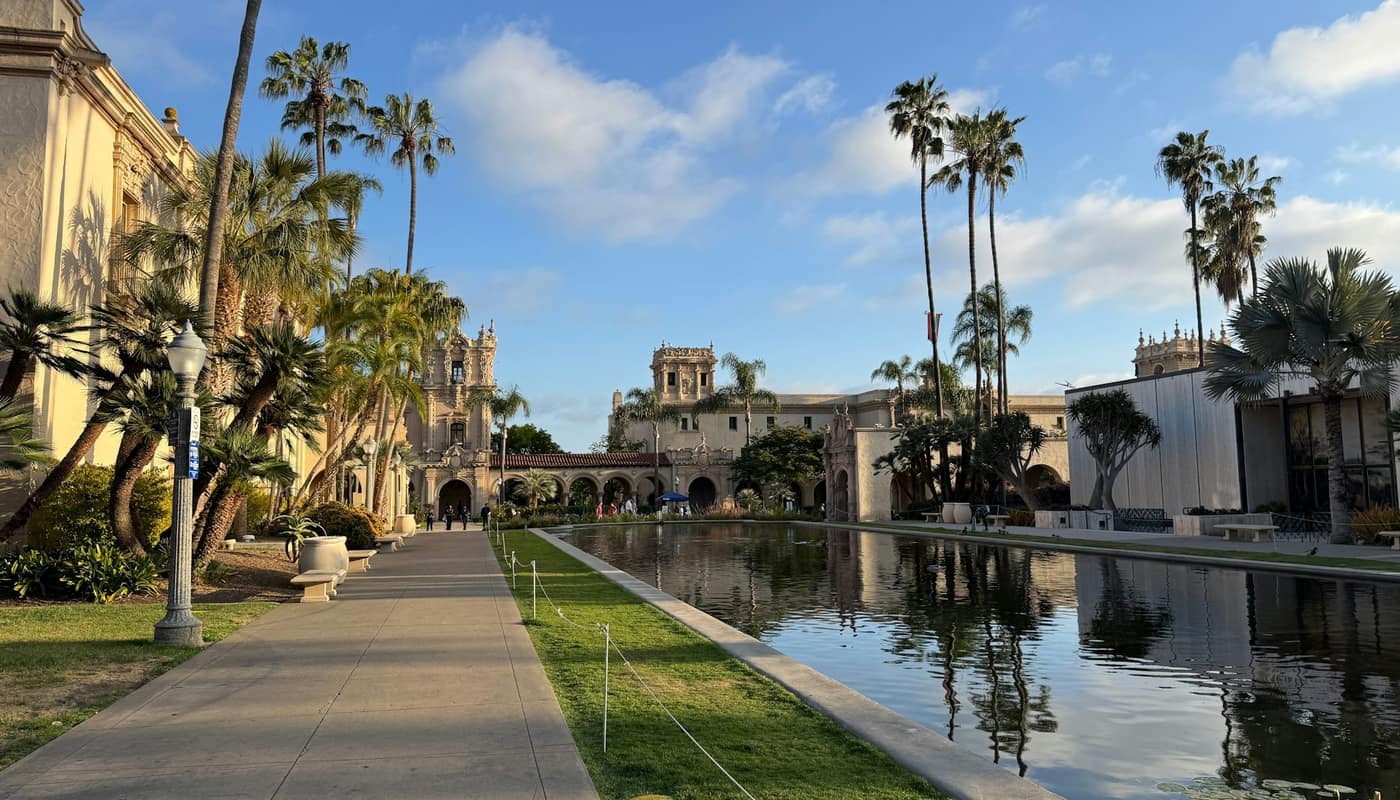
Planning followed. By 1902, a Park Improvement Committee had formed and raised funds to hire landscape architect Samuel Parsons to draw up a comprehensive plan. The city says the parkland looked much as it does today by 1910, which is the point at which the next, far larger project begins. Readers who want a sense of how those plantings and paths feel to walk through can find practical details in the visitor’s guide to Balboa Park.
Why is it called Balboa Park?
The name came from a contest. The city’s history says Mrs. Harriet Phillips, a member of the Pioneer Society, suggested “Balboa,” honoring Vasco Núñez de Balboa, described there as the first European to see the Pacific Ocean. The page places the naming in the early 1900s but does not give an exact date for it, so any specific year attached to the renaming should be treated with caution.
What was the 1915 Panama-California Exposition?
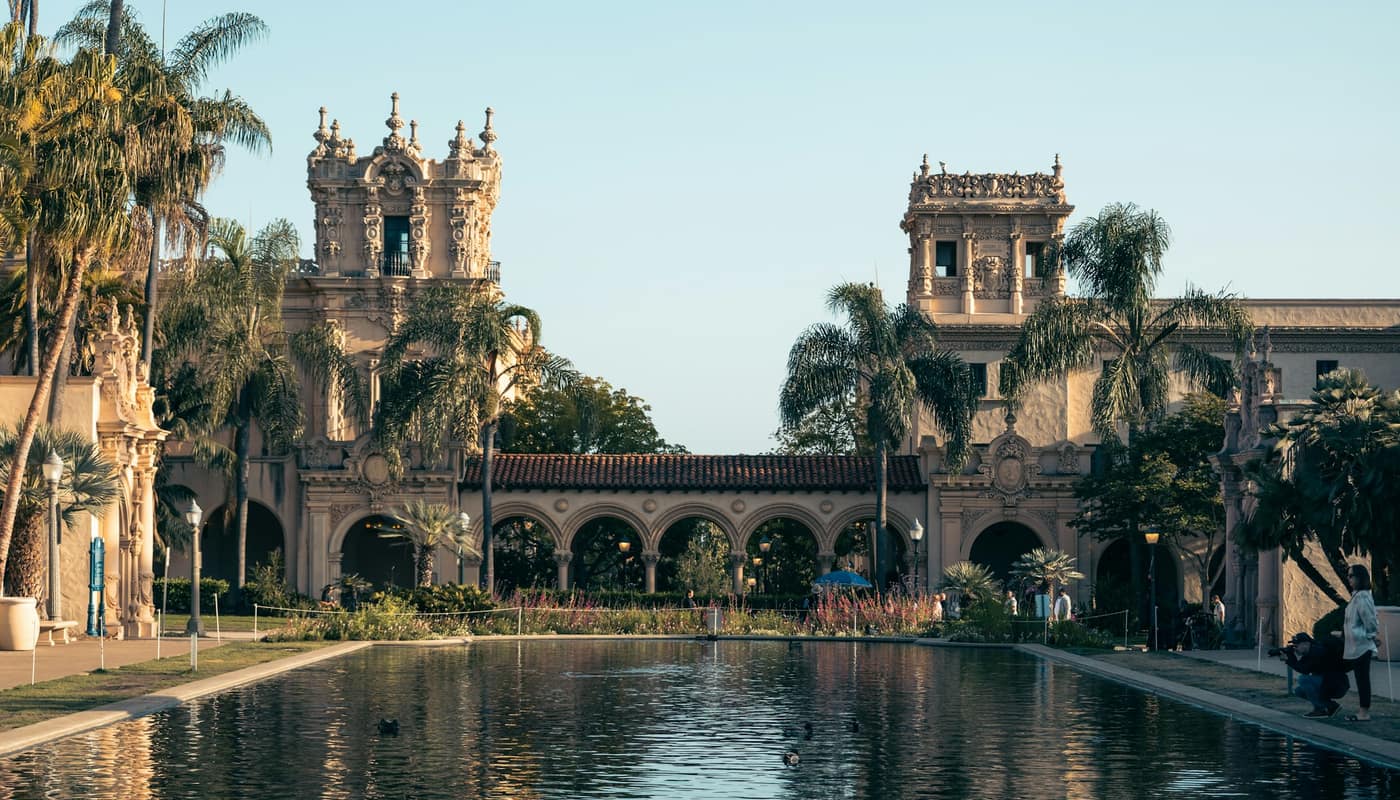
The Panama-California Exposition ran from 1915 to 1916. The city says the Cabrillo Bridge, most of the cultural center buildings along El Prado (the park’s main pedestrian promenade), and the Spreckels Organ Pavilion were built for it. New York architect Bertram Goodhue supervised the Spanish Colonial designs, which is why the central park looks like an ornate Spanish-style town instead of a conventional fairground.
KPBS, in its Balboa Park coverage, says the park as people know it today “began with” the 1915 exposition and notes that the exposition was a touchstone of the women’s movement in San Diego. KPBS also reports that the Santa Fe Depot was built to bring visitors to the 1915 fair.
The fair’s reach was also local in a literal sense. Roughly 47 years separate the 1868 set-aside from the opening of the exposition (1915 minus 1868), so most of the park’s early life was spent as open land and only a minority as a showpiece.
What happened in 1935, and why did San Diego hold a second fair?
The California Pacific International Exposition ran in 1935-36, about 20 years after the first fair. The city says it extended the park’s development. Richard Requa, the exposition’s director of architecture and landscaping, designed the Southern Palisades area as a series of buildings that trace Southwest history from prehistoric times to the modern era, many in Pueblo or Mayan styles. That is why parts of the park look different from the Spanish Colonial core.
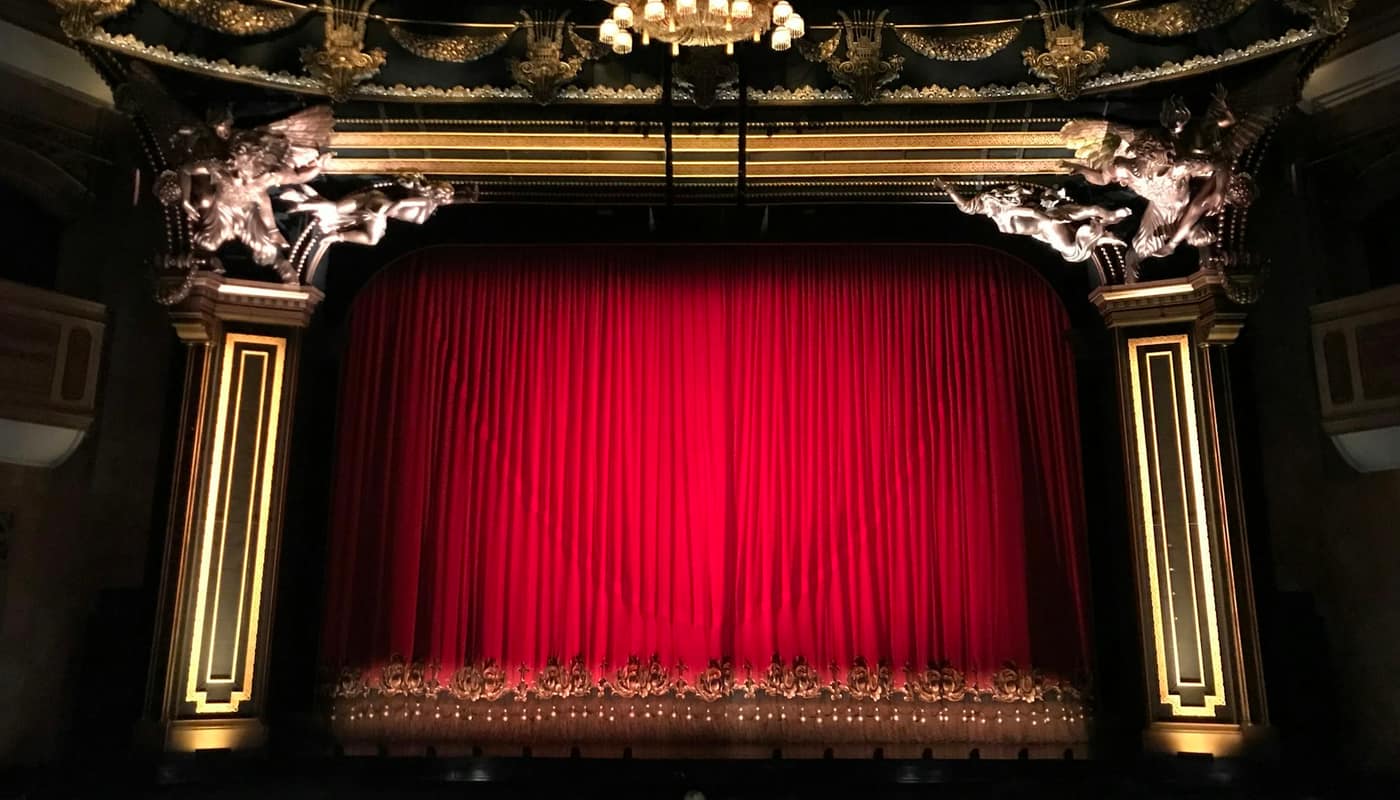
The 1935 fair also left a cultural mark that is easier to see from the stage. The Old Globe theater began as a Shakespeare playhouse for that exposition, a story told in more detail in the history of the Old Globe Theatre. The city’s park history page does not mention the theater.
How did the military and the postwar years change Balboa Park?
The city says the military took over the park during the world wars. Afterward, the buildings were returned to cultural and recreation organizations, and many of them became the museums and institutions visitors see today. The city’s page does not give specific years for the military use, so the exact timing and scale are best confirmed with the city or a local history archive.
Rehabilitation followed. According to the city, extensive rehabilitation of park buildings and facilities began in 1946. In 1960, a master plan was submitted and adopted to guide future growth, and about $2 million was spent on improvements under it. In 1989, the city adopted a new master plan for a 20-year period meant to restore the park and continue improvements.
Common mistakes and things that vary
Several points trip up people researching the park:
- One fair or two. The park’s architecture reflects both the 1915-16 and 1935-36 fairs, not just one. The Spanish Colonial core and the Southwest-styled Palisades area come from different expositions.
- Acreage. Figures vary: the city cites 1,400 acres for the 1868 tract and more than 1,000 acres today, while other published descriptions use other numbers. Always check which year and which boundary a figure refers to.
- Dates for the name. The naming contest is documented but not precisely dated in the city’s page.
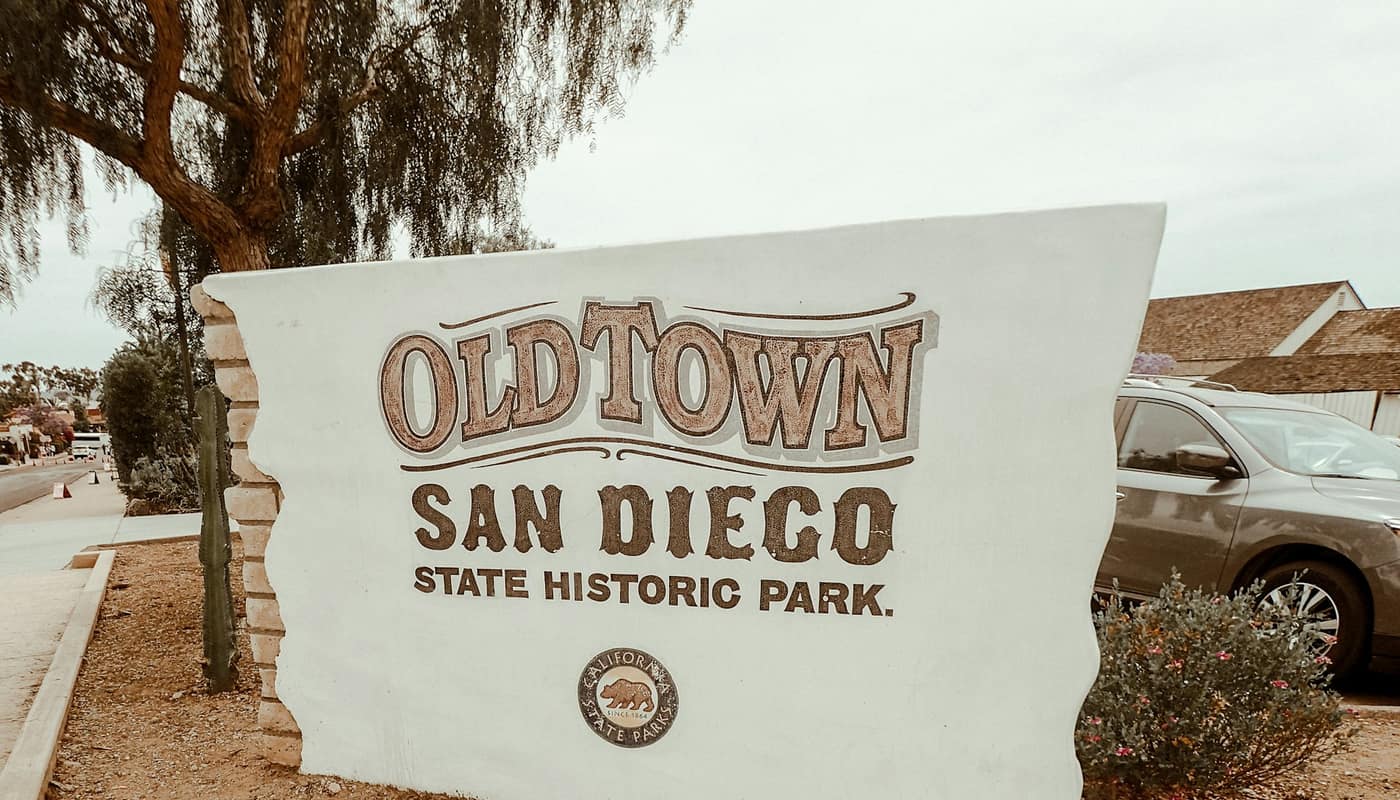
- Old San Diego versus the park. The park’s story is separate from the older settlement at Old Town and Mission San Diego de Alcalá, though all three are often visited together.
Why the history still matters
Balboa Park is a case study in how a city turns reserved land into civic identity: a public set-aside in 1868, a planting bargain in 1892, two world’s fairs and several rounds of postwar planning. For readers, the practical lesson is that what looks like a single designed place was built in layers, over about 150 years, by different people with different goals. For current hours, exhibits, closures and rules, the City of San Diego’s park pages and each institution’s own site are the reliable references.
This article is general historical information and is not a substitute for official city records or guidance.
Sources: City of San Diego; KPBS