To cross into Mexico at San Ysidro, you reach the border by Trolley, on foot or by car on Interstate 5, then pass through Mexico’s entry process on the south side. The part that most often surprises first-timers is the return: the strictest checks, and the longest lines, are usually on the way back into the United States.
What are the ways to cross the San Ysidro border into Mexico?
There are three practical choices, and the best one depends on how long you plan to stay and how far you plan to go.
- Trolley, then walk. The Metropolitan Transit System’s Blue Line runs from downtown San Diego to the San Ysidro Transit Center, according to MTS. From there, pedestrian facilities lead to the border.
- Walk across from a nearby parking lot. People who drive to San Ysidro but do not want to take a vehicle into Mexico often park on the U.S. side and cross on foot.
- Drive south. Interstate 5 ends at the port of entry. The U.S. Customs and Border Protection port page says directions to the Interstate 5 South facility are “on your left just prior to entering Mexico.”
San Ysidro is not the only crossing. CBP’s description of the region lists Otay Mesa, which has its own pedestrian booths and vehicle lanes, and the Cross Border Xpress bridge, which is limited to airline passengers ticketed through the Tijuana airport. The San Diego Post’s guide to how the San Ysidro border crossing works covers the northbound lane system in more detail.
How does the Trolley get you to the border?
For visitors without a car, the Trolley is the simplest route. MTS describes the Trolley as connecting downtown with the Mexico border, and its station list includes the San Ysidro Transit Center on the Blue Line, at 700 E. San Ysidro Blvd. MTS lists no parking at that station, so it works best as a drop-off point.
As of this writing, MTS lists an adult one-way Trolley fare of $3.00 and a day pass of $7.00, with reduced fares of $1.50 and $3.50 for riders who show eligible ID. Fares and service hours change, and the MTS page does not list the Blue Line’s hours, so check the current schedule before planning a late return. The general mechanics of paying and transferring are explained in the San Diego Post’s practical guide to riding the Trolley and buses.
What documents do you need to go south?
Entry into Mexico is controlled by Mexican authorities, who set their own rules on identification, visitor permits, vehicle permits and what may be brought in. Those rules are written and changed by the Mexican government, not by any U.S. agency, so the reliable sources are Mexico’s immigration institute and consulates, plus the U.S. State Department’s country page for Mexico, which summarizes entry requirements for American travelers.
A sensible baseline is to carry the same document you will need to come home. That is the more important question, because a trip is only as flexible as your ability to return. The next section covers that.
What do you need to get back into the United States?
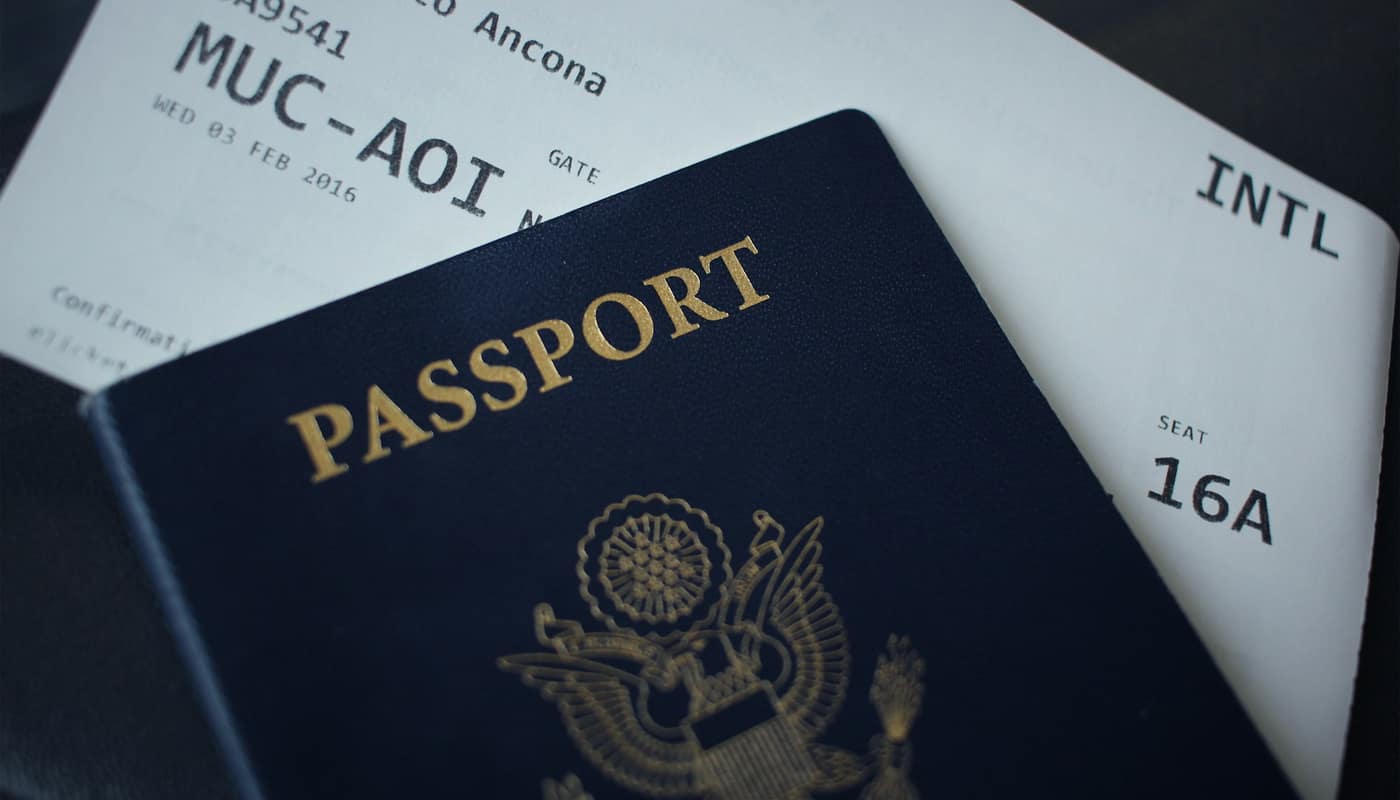
CBP says U.S. citizens entering by land from Mexico can present any of the following:
- A U.S. passport
- A passport card
- An enhanced driver’s license
- A Trusted Traveler Program card (NEXUS, SENTRI or FAST)
- A U.S. military ID card, when traveling on official orders
- A U.S. Merchant Mariner document, when traveling on official maritime business
- An American Indian Card, or an Enhanced Tribal Card when available
According to CBP, U.S. citizen children under 16 (or under 19 if traveling with a school, religious or other youth group) need only a birth certificate or other proof of citizenship, and an original, photocopy or certified copy is acceptable.
Notice what is missing: an ordinary driver’s license is not on the list. A traveler with only a standard license is at risk of being delayed or refused at the northbound booth. If you need a document, the process is explained in how to get or renew a U.S. passport. Citizens of other countries, and lawful permanent residents, face different document rules, and should confirm them with CBP and the State Department before leaving.
Are the pedestrian crossings open when you want to go?
Not always, and this is where outdated advice causes the most trouble. San Ysidro has had two pedestrian facilities: the original east-side crossing and the newer Pedestrian West, usually called PedWest.
The published information is a patchwork of dates:
| Source | What it says | Date |
|---|---|---|
| CBP release | PedWest reopened southbound seven days a week, 3:00 p.m. to 11:00 p.m., and northbound 6:00 a.m. to 2:00 p.m. | Starting November 20, 2023 |
| CBP port page | Lists PedWest hours as 6:00 a.m. to 2:00 p.m., Monday through Friday | Page last modified September 23, 2025 |
| CBP release | Said the east-side San Ysidro pedestrian crossing operates 24 hours | 2016 release, noted by CBP as possibly out of date |
These do not agree with one another, which is the point: operations at the pedestrian facilities have changed several times, and CBP said in 2023 that it would keep evaluating the situation and could change operations again. Rather than rely on any of these figures, confirm the current status on CBP’s border wait times page or by calling the PedWest line at (619) 428-2188, the number CBP lists on its port page.
Can you drive into Mexico from San Ysidro?
Yes, and the drive south is physically simple because the freeway leads straight to the port. The complications are about paperwork and insurance rather than the road. Mexican authorities set rules for bringing a U.S.-registered vehicle into the country, including permits for travel beyond the border area and requirements related to insurance. Because a U.S. auto policy may not extend to Mexico, travelers commonly check with their insurer before leaving. Neither CBP nor MTS addresses these Mexican-side rules, so confirm them with the Mexican government or the State Department before going.
There is a practical argument for walking instead. A traveler who parks on the U.S. side avoids vehicle permits and avoids a long vehicle line on the return trip, at the cost of relying on taxis, rideshares or walking once in Tijuana. Neither choice is wrong; the right one depends on where the trip is headed.
What changes the return trip?
Northbound traffic is where lane choices matter. CBP says its crossing options at San Ysidro include general, Ready Lane and SENTRI lanes for vehicles and pedestrians, and that SENTRI, a Trusted Traveler Program, gives pre-approved, low-risk travelers access to dedicated processing lanes at select southern land border ports. Joining requires an application, a background check and an in-person interview, according to CBP. The SENTRI page that CBP publishes does not state a fee or a membership period, so check the Trusted Traveler Program site for current terms.
Ready Lane is different from SENTRI. It is open to travelers with RFID-enabled documents, such as a passport card, but not to people without a valid Trusted Traveler document in the SENTRI lanes. CBP made that distinction explicit in an October 31, 2025 announcement of a four-month pilot that turned a general lane in Tijuana, on Second Street, into a SENTRI-only access lane. The release said the pilot could end early and would be evaluated to decide whether to make the change permanent. Because that pilot’s results are not in the pages reviewed, readers should treat the lane layout as subject to change.
How do you check wait times?
CBP says wait times are posted on its Border Wait Times website and app and update hourly. The agency also lists wait-time phone lines for San Ysidro at (619) 690-8999 and for Otay Mesa at (619) 671-8999, though that figure comes from a 2016 notice, so confirm it. Waits are estimates, not guarantees.
What are the most common mistakes?
- Bringing only a standard driver’s license. It is not on CBP’s list of accepted land-border documents for adults.
- Trusting a pedestrian schedule from an old article or forum. Hours at PedWest have changed several times.
- Assuming a Trolley ride works for the whole trip. The station has no parking, and you should check the last departure before you cross.
- Forgetting the return line. The wait to come back north can be the longest part of the day.
- Carrying restricted items. CBP urges travelers to read its “Know Before You Go” guidance to avoid fines and penalties for prohibited items.
A short checklist before you leave
A trip across the border rewards a few minutes of checking. Confirm that every traveler has an accepted document for the return. Look up the current wait times and the PedWest hours. Decide whether you are walking or driving, and if driving, confirm Mexican vehicle and insurance requirements through official Mexican and State Department sources. Check the Trolley schedule for the trip home. Keep to what you can verify, and expect that any specific figure, from a fare to an opening hour, may have changed by the time you read this.
This article is general information, not legal or immigration advice. Entry rules are set by Mexican and U.S. authorities and change; confirm current requirements with them.
Sources: U.S. Customs and Border Protection; San Diego Metropolitan Transit System