Torrey Pines State Natural Reserve, one of San Diego’s best-known coastal hiking destinations, has been closed to all visitors since September 22, 2026, according to California State Parks. The agency says the closure is for construction and that the reserve is scheduled to reopen in March 2027, while the state beach below it remains open.
What exactly is closed?
The closure came in two steps, according to California State Parks. On Monday, September 21, the reserve road closed to vehicles, and the Lodge and the Trail Interpretive Kiosk in the west parking lot closed for the season. On Tuesday, September 22, the reserve closed to everyone. In the agency’s words, “The reserve will be closed to all visitors, including pedestrians, bicyclists and vehicles.”
The closure covers every trail inside the reserve, the Beach Trail Staircase, the Lodge and both upper parking lots. The reserve’s visitor center is also listed as closed until March. Put simply, there is no walking in, even if you arrive on foot or by bicycle.
One wrinkle for anyone checking the state’s website: the reserve page, as of November 6, 2026, shows the park as “Closed” at the top, yet a separate trail-conditions line on the same page still says all trails are open. That line appears to be out of step with the closure notice. The closure announcement and the project page both state the closure plainly, so visitors should treat the reserve as closed and confirm with the park office before any trip.
What is still open?
According to California State Parks, Torrey Pines State Beach and its North Beach and South Beach parking lots remain open to the public. Those lots sit at the base of the bluffs, apart from the upper lots inside the reserve.
The state’s page for the reserve lists demand-based vehicle day-use fees for those beach lots, as of November 6, 2026:
| Beach lot | Minimum fee | Maximum fee |
|---|---|---|
| North Beach | $10.00 | $25.00 |
| South Beach | $12.00 | $25.00 |
“Demand-based” means the price moves within a range depending on how busy the day is. The state notes that fees are subject to change and that special rates may apply on peak periods, holidays and weekends. The current price at the gate or on the agency page is the one that counts.
Illustrative arithmetic
For a household planning two separate beach visits, the range works out as follows. At the minimum, two North Beach visits would cost 2 × $10 = $20. At the maximum, two South Beach visits would cost 2 × $25 = $50. The spread between those two outcomes is $30, which is why checking the day’s rate matters more than assuming a typical price.
Why is the reserve closed?
California State Parks describes the closure as the next phase of a multiyear improvement project. The project page says the first phase, now complete, was mostly underground utility work and included demolishing the old restroom. The current phase, which runs from fall 2026 into early 2027, adds new gas, water, wastewater and communication lines.
The same phase includes accessibility upgrades, according to the agency: updated accessible parking stalls and an accessible pedestrian path from the upper parking lot to the restroom and Lodge. The agency says work is expected to be completed “on or around March 1, 2027,” with the reserve reopening in March 2027. As with any construction schedule, that is a target, not a guarantee, and the agency says it will post additional closure dates and updates on its project webpage.
Do state parks passes still work during the closure?
It depends on where you plan to use it. According to the project page, passes issued by California State Parks remain valid across the state park system, including at Torrey Pines State Beach and at nearby beaches such as Cardiff, San Elijo, South Carlsbad and Carlsbad State Beach. They cannot be used at Torrey Pines State Natural Reserve while it is closed for construction, and the agency says it does not issue refunds for park closures.
That distinction matters because the two places share a name and a stretch of coast but are separate units with different access. A pass-holder who parks at the beach lots is using the beach, not the reserve.
What is special about this reserve?
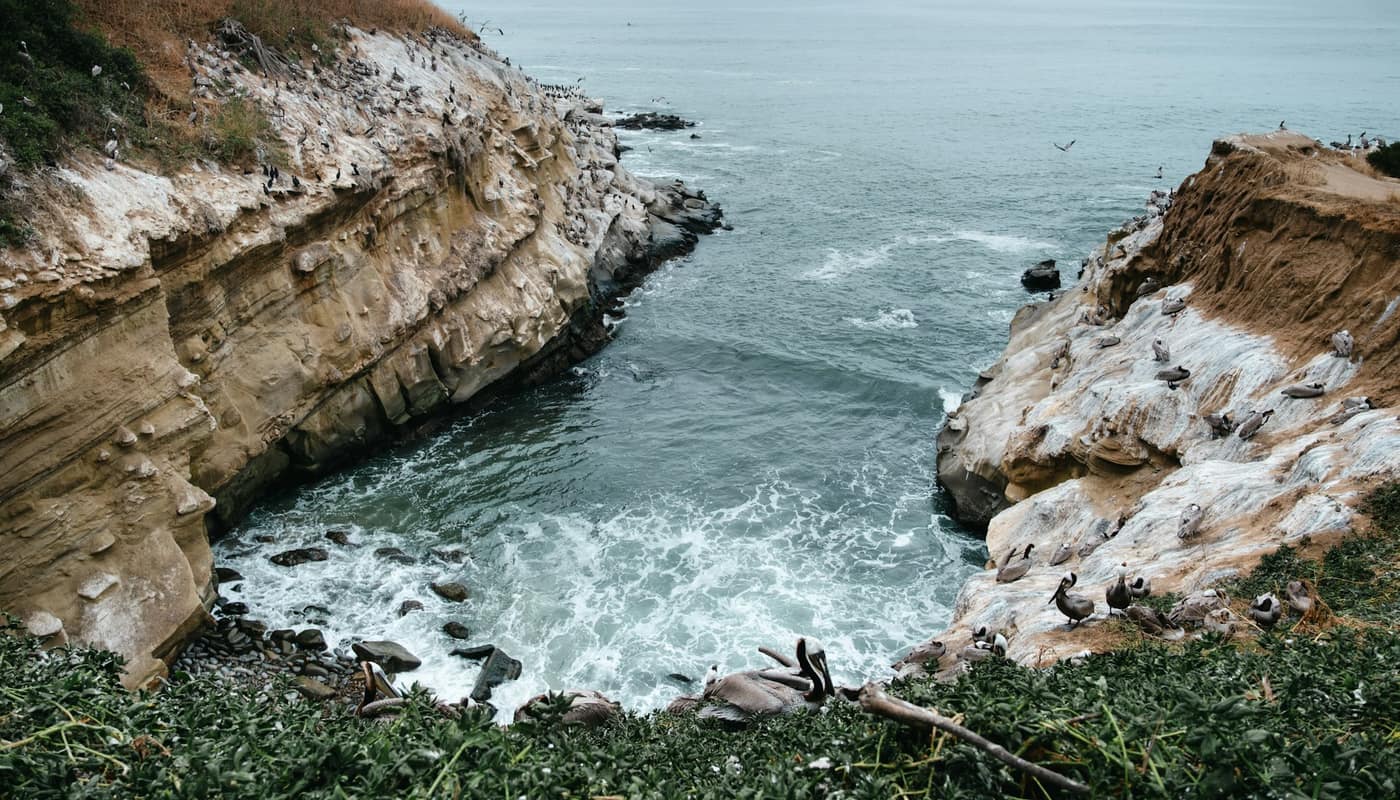
The reserve exists to protect the Torrey pine, Pinus torreyana, which State Parks calls the nation’s rarest pine tree. According to the agency, it grows naturally only in the reserve and on Santa Rosa Island, one of California’s Channel Islands. The reserve also protects one of the last salt marshes and waterfowl refuges in Southern California, and its landscape includes high, broken cliffs and deep ravines on headlands above the ocean.
State Parks says the reserve is one of only 16 reserves among California’s 280 state park units. That small number helps explain the rules visitors encounter when it is open: dogs are not allowed, and picnicking and camping are prohibited, according to the reserve page. Groups need a special event permit, and hiking groups must also book a docent-guided walk, which the agency says is available for 1 to 70 people, with the Special Event Office asking for contact at least three weeks ahead.
Those rules belong to the reserve itself. This guide does not cover rules for the beach lots beyond the fee ranges above, so check the agency page for beach-specific conditions.
How is the reserve different from the golf course?
The name causes regular confusion. Torrey Pines Golf Course, a public course on the same stretch of coast, is a separate operation, covered in the Torrey Pines golf course guide. The state’s closure notice applies to the State Natural Reserve, and nothing in the pages reviewed addresses the golf course. Anyone with a tee time should check with the course directly rather than rely on this article.
Where can you go while the reserve is closed?
State Parks says 28 other California state parks lie within 50 miles of the reserve, and it points visitors to its State Park Finder tool. A few San Diego Post guides cover nearby options that fit a coastal outing:
- Point Loma. Cabrillo National Monument is run by the National Park Service rather than the state and offers tide pools, a historic lighthouse and ocean views.
- La Jolla’s waters. The San Diego-La Jolla Underwater Park is a protected marine area with its own rules for swimmers, snorkelers and divers.
- Balboa Park. A visitor’s guide to Balboa Park covers a day of gardens, architecture and museums if the coast is not the draw.
- Torrey Pines State Beach itself. It remains open, according to the state, for walking the shoreline at the foot of the bluffs.
Before choosing any alternative, check that site’s own page for hours and fees, which change.
What should you check before heading out?
A short checklist, based on what the state publishes:
- Confirm the status. The reserve page and the project page both say closed; the trail-conditions line is inconsistent. The park’s phone line, (858) 755-2063, and email, [email protected], are listed on the reserve page.
- Decide which place you mean. The beach lots are open; the reserve and its upper lots are not.
- Check the day’s parking rate. Fees are demand-based and can differ between the two beach lots.
- Look up the reopening. The target is March 2027, with the agency promising updates on its project page.
- Watch gate hours. The reserve page lists gates opening at 7:15 a.m. and closing at sunset for normal operations, though those hours apply to the reserve rather than to the closure period.
Planning for a spring return
If the schedule holds, the reserve would reopen near the start of March 2027, in time for the end of the winter season on the coast. Visitors who return then will find the same protected pines and ravines, with the state’s accessibility changes in place: new accessible parking and a path from the upper lot to the restroom and Lodge. Until then, the practical reality is simple. The coastline below is open, the reserve above it is not, and the agency’s own pages are the place to confirm what has changed.
This article is general information based on published agency notices as of November 6, 2026; closures, fees and schedules can change, so confirm with California State Parks before traveling.
Sources: California State Parks