Drive east from San Diego, over the mountains and down through the pine forests of the backcountry, and within about two hours the landscape changes completely. Anza-Borrego Desert State Park, the largest state park in California, spreads over hundreds of thousands of acres of badlands, washes, palm canyons and open desert. For residents of a coastal city, it is one of the most striking trips available within a day, and it offers a very different side of San Diego County.
What is Anza-Borrego?
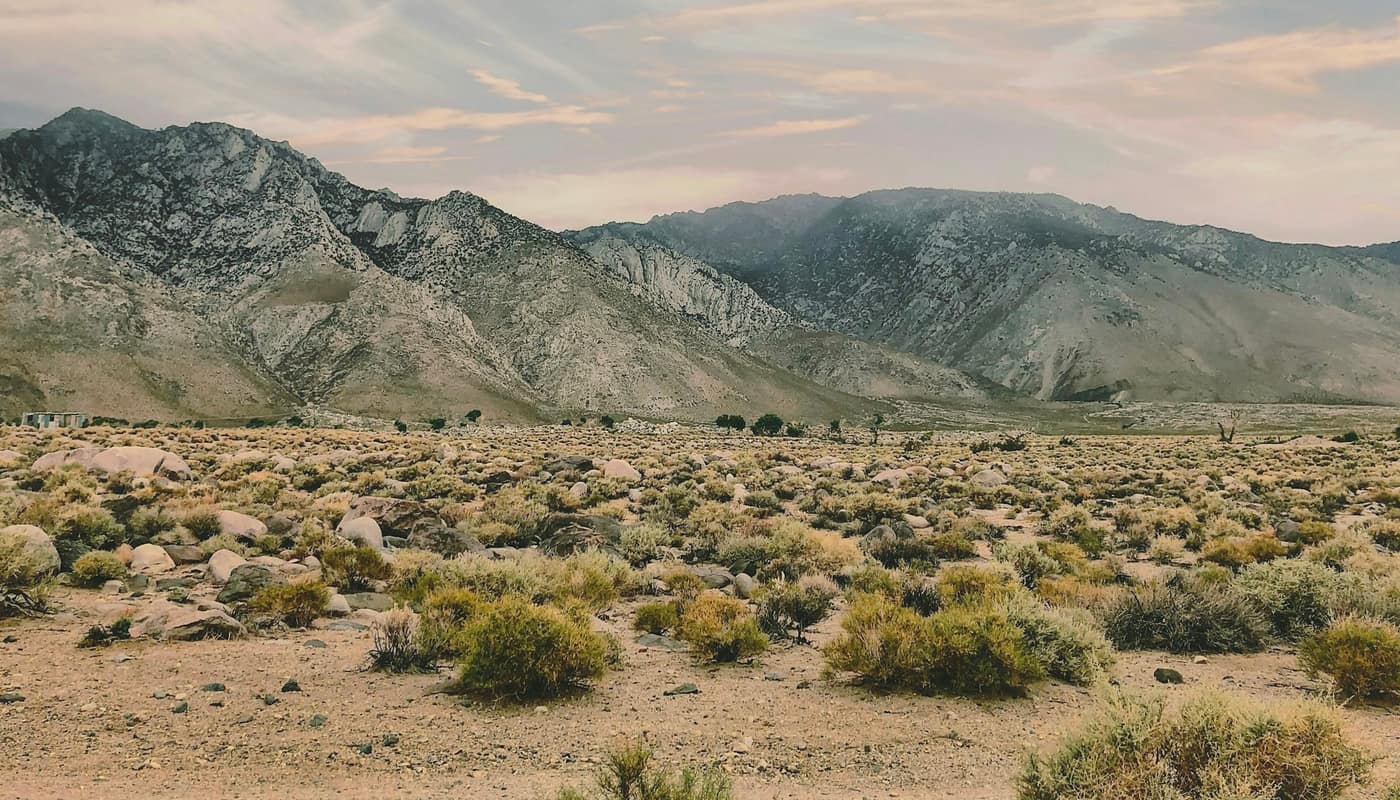
The park covers roughly 600,000 acres, though published figures vary somewhat by source and by how the boundaries are counted. It takes its name from the Spanish explorer Juan Bautista de Anza and from the Spanish word for bighorn sheep, borrego. The park sits in the Colorado Desert, part of the larger Sonoran Desert, and it includes a wide range of environments: sandy washes, rocky mountains, narrow canyons, native fan palm oases, mud hills carved into badlands and, at higher elevations, pinyon and juniper.
The small town of Borrego Springs sits in the middle of the park, with restaurants, lodging, shops and the visitor center nearby. Beyond the town, much of the park is remote, with unpaved roads and few services, which is part of its appeal.
When is the best time to visit?
Seasons matter more here than almost anywhere else in the region.
- Fall, winter and spring are the comfortable seasons. Daytime highs are mild, nights are cool and trails are pleasant. Winter can be chilly at night, so layers help.
- Spring is wildflower season. In years with enough winter rain, the desert floor erupts in color, with fields of yellow, purple and white blooms, usually peaking in March and April. The timing and quality change from year to year, and the park posts wildflower updates and a recorded hotline. In especially good years, called superblooms, crowds are large and parking fills early.
- Summer is extreme. Temperatures routinely climb above 100 degrees Fahrenheit and can exceed 110, and the heat is dangerous. Most visitors avoid the park from late spring to early fall, or limit themselves to short, early morning outings.
Weather can change quickly. Winter storms and summer thunderstorms can cause flash floods in washes, even when it is not raining where you are standing.
What are the highlights?
A first visit might include several classic stops.
- The visitor center. Located near Borrego Springs and built largely underground to stay cool, it offers exhibits, maps, ranger advice and current trail and road conditions. Hours vary by season, so check ahead.
- Palm Canyon. A popular hike of a few miles round trip follows a desert wash to a grove of native California fan palms, with a stream in some seasons. Parts of the grove have been affected by fire damage in the past, and trail closures or changes can occur, so confirm the current status.
- Scenic overlooks and badlands. Viewpoints such as Font’s Point give wide views of eroded, multicolored hills, especially striking near sunset.
- Slot canyons and short hikes. Several short trails lead through narrow canyons with colorful rock walls.
- Stargazing. The park’s remoteness and dark skies make it a good place to see the Milky Way, and ranger-led programs and star parties are offered at times. Getting away from the lights of the town helps.
- The sculptures near Borrego Springs. Large metal sculptures of animals and mythical creatures stand on open land around the town, and they are a quirky roadside attraction.
What about camping?
The park offers a range of camping. Developed campgrounds have sites with amenities and typically require reservations, especially in the busy season. Primitive camping is available in designated areas, and backcountry camping is allowed in much of the park under rules designed to protect resources. Visitors should check the park’s current rules on permits, fees and fire restrictions, which can change with conditions. Campfires may be banned during dry or windy periods.
Anyone camping or hiking far from town should carry a map, a full tank of gas, extra food and plenty of water, since services are few and cell coverage is spotty.
How do you stay safe in the desert?
Desert travel is safe if people prepare for its hazards.
- Water. Carry more than you think you need, since a common guideline is at least a gallon per person per day in hot weather, more for hiking.
- Heat. Hike early or late, wear a hat and sun protection, and know the signs of heat illness: headache, dizziness, nausea, confusion and a lack of sweating are warnings to get out of the sun and cool down.
- Navigation. Trails can be faint, and desert terrain is confusing. Stay on marked routes, tell someone your plan and carry a physical map as a backup to a phone.
- Vehicles. Many park roads are unpaved, and some require high-clearance or four-wheel drive. Sand and washboard surfaces can strand ordinary cars. Check road conditions with rangers.
- Wildlife. Rattlesnakes, scorpions and other animals live in the desert. Watch where you step and put your hands, and never reach into places you cannot see.
- Flash floods. Never camp or park in a wash if rain is in the forecast anywhere upstream.
Rules also protect the park: stay on trails or in designated areas, take nothing, leave nothing and respect the cultural sites left by the Kumeyaay and Cahuilla peoples who have lived in the region for thousands of years.
How do you get there?
From central San Diego, the drive is roughly two hours, usually via State Route 78 through Julian or Interstate 8 and Highway 79 and S2, depending on conditions. Mountain roads can have snow in winter and heavy traffic on weekends. Fire risk in the backcountry is a seasonal concern, discussed in wildfire preparedness in San Diego County, and visitors should check for closures before going. There is no practical public transit to the park, so most visitors drive.
What should photographers and stargazers know?
The desert’s light is a draw in its own right. Early morning and late afternoon give long shadows and warm color on the badlands, while midday is harsh and hot. For night sky viewing, avoid the town’s lights, give your eyes about twenty minutes to adjust, and use a red flashlight to preserve night vision. Clear, moonless nights show the Milky Way in a way that is hard to find near the coast. Camera batteries drain quickly in cold winter nights and phones can overheat in summer, so bring spares and keep devices shaded.
How does this fit with the rest of the county?
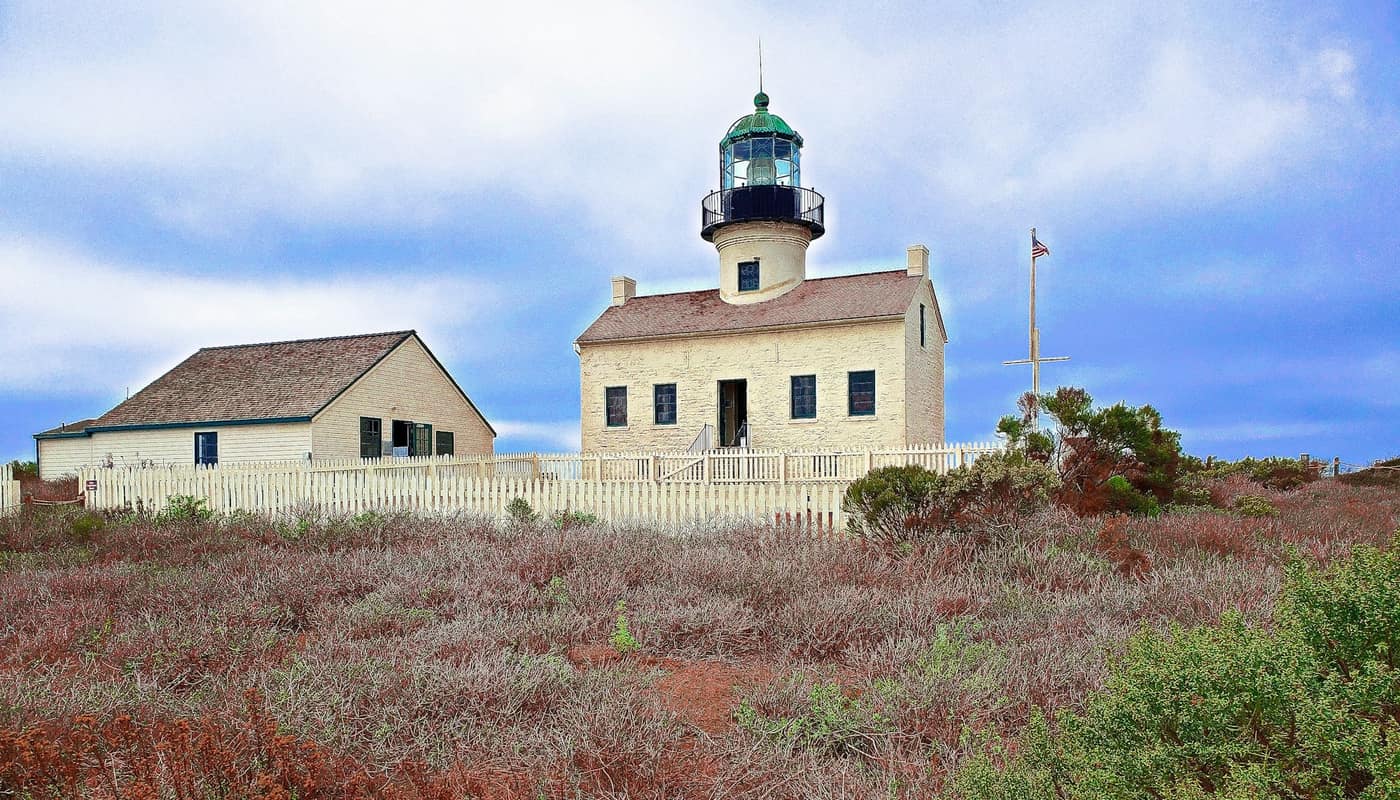
The park is part of San Diego County, though it feels like another world from the beaches. It is managed by the California State Parks system, and its position within the county ties it to the regional planning and land-use issues explored in what the Board of Supervisors controls. Visitors who like contrast sometimes pair a desert trip with other nature destinations, such as the coastal bluffs of Cabrillo National Monument, to see the region’s range of landscapes.
Why go?
The reasons are simple. The desert is quiet, the light is extraordinary and the scale is humbling. Whether the visit is a short drive to see the blooms, a night under the stars or a long hike through a canyon, the park offers a break from city life and a reminder of how varied San Diego County is.
Sources: California State Parks; Anza-Borrego Foundation; National Weather Service; County of San Diego