At the southern tip of the Point Loma peninsula, where San Diego Bay meets the open Pacific, a quiet national park site offers one of the best views in the region. Cabrillo National Monument combines history, nature and scenery in a compact area, and it is among the most visited sites managed by the National Park Service in Southern California. It is also an easy place to understand why this harbor drew explorers, mapmakers and, later, the military.
What does the monument commemorate?
The monument honors Juan Rodríguez Cabrillo, a Portuguese-born navigator who sailed for Spain and in 1542 led an expedition that arrived at what is now San Diego Bay. National Park Service materials describe the landing as the first time a European expedition set foot on what is now the West Coast of the United States. Cabrillo’s expedition continued north along the coast, and he died during the voyage, but his journey opened a chapter of European exploration of the region.
The land and the bay had long been home to the Kumeyaay people, whose communities lived and traveled throughout the region, a history that visitors to other sites in the area, such as Mission San Diego de Alcalá, are encouraged to keep in mind. A statue of Cabrillo, a gift from Portugal, stands on the point and overlooks the bay.
What is there to see?
The monument has several highlights spread over a small area.
- The Cabrillo statue and bay overlook. The view across the harbor to the downtown skyline, Coronado, North Island and the Pacific Ocean is the monument’s best-known sight. On a clear day, it extends toward the mountains and across the border to Mexico.
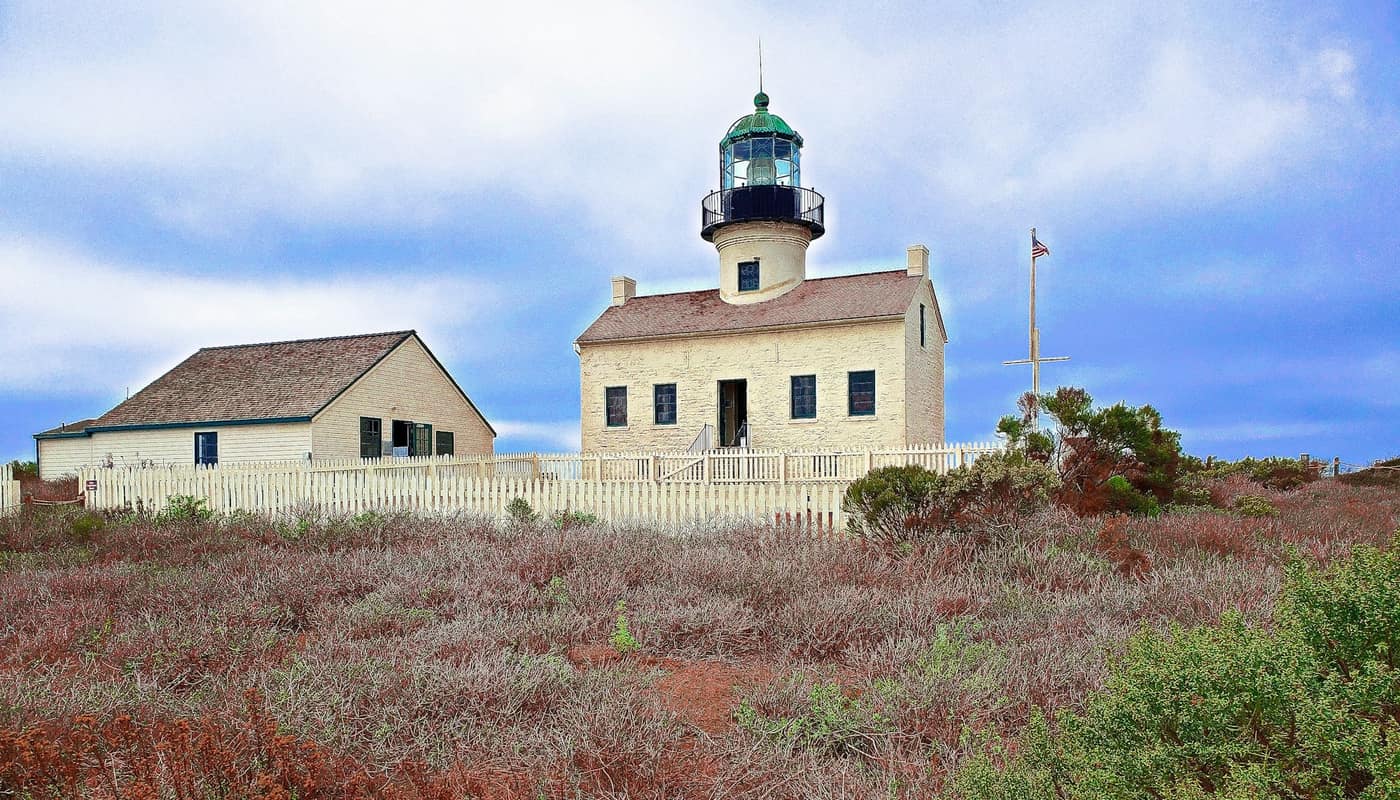
- The Old Point Loma Lighthouse. The whitewashed lighthouse, built in the mid-nineteenth century, sits on the highest point of the peninsula. It was replaced because its light was often hidden by fog and low cloud, a reminder of the coastal weather pattern described in May Gray, June Gloom and the marine layer. The restored keeper’s quarters and exhibits show how lighthouse keepers lived.
- The visitor center. It has exhibits on Cabrillo’s voyage, the history of the area and the natural environment, along with a film and a bookstore. Rangers offer talks and programs.
- Tide pools. On the ocean side of the point, rocky shelves hold pools filled with sea anemones, hermit crabs, mussels, sea stars and other creatures. They are accessible at low tide.
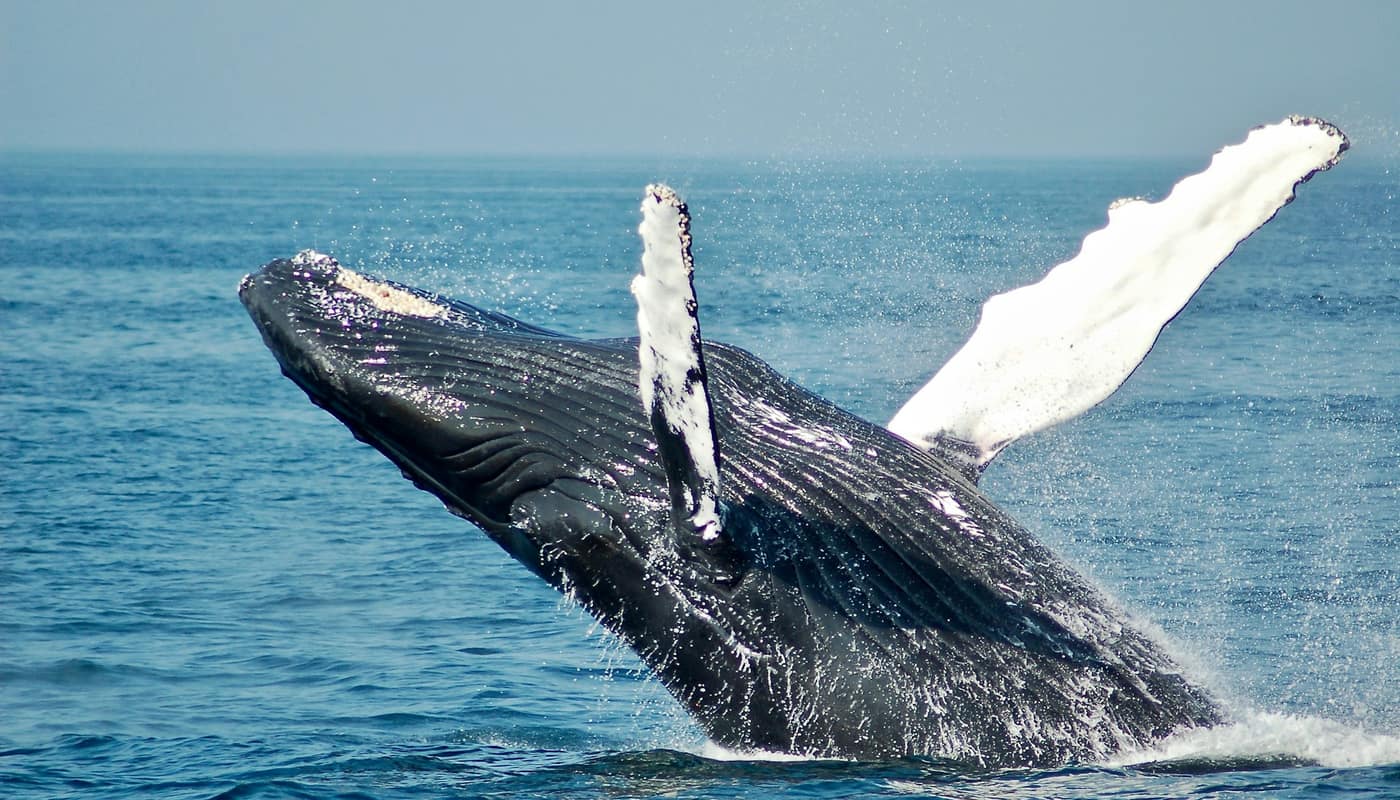
- Whale-watching overlooks. During the gray whale migration in winter, the point is a prime place to look for whales from land.
- Trails. Short paths cross the coastal scrub, offering views and a chance to see native plants and birds.
- Military history. The point was a coastal defense site, and parts of the area preserve remnants of the defenses built for the harbor, a link to the region’s long military presence discussed in San Diego’s military presence explained.
When should you go?
The monument is open daily, with the grounds generally open during the day and the visitor center on a somewhat shorter schedule. Hours change with the seasons and with special events, so the National Park Service website and the monument’s information line give the current times.
Timing depends on what you want to see.
- For tide pools, check a tide table and arrive near low tide, ideally a low tide that falls during open hours. Very low tides, which happen several times a year, reveal the most.
- For whale watching, winter is the season for gray whales, which pass along the coast on their annual migration, roughly from December through April. A clear day and a vantage point at the overlook increase the odds.
- For the lighthouse and views, clear mornings and late afternoons offer good light, and winter and fall often have crisp visibility. Summer mornings can be foggy.
- To avoid crowds, weekday mornings are generally calmer, and the parking area can fill on busy weekends and holidays.
What does it cost?
Entry is charged per vehicle or per person on foot or bike, and the fee is generally valid for several days. The monument honors the national parks’ annual and lifetime passes, and some visitors qualify for free or discounted passes, including certain groups such as active-duty military, veterans, people with permanent disabilities and fourth graders. National Park Service fees and pass rules have changed in recent years, including for non-resident visitors, so the official fees page is the place to confirm the current price.
How do you get there?
The monument is on the Point Loma peninsula, about a thirty-minute drive from downtown San Diego, at the end of Cabrillo Memorial Drive. The road passes through a military installation area before reaching the monument. Public transportation can get visitors part of the way, but a bus or ride may require a walk, and many visitors drive. The visitor center and parking lot are the starting point for most activities.
How should you protect the tide pools and wildlife?
The tide pools are delicate, and the monument has rules to protect them. Visitors should walk carefully on bare rock, avoid stepping on animals and plants, look but not collect, and return any creatures they move to where they found them. Touching should be gentle if allowed at all. Collecting shells, rocks and marine life is not permitted in the protected area. The same principle, look and do not take, applies in the nearby marine reserve described in the La Jolla Underwater Park guide.
Wildlife on land, including birds, lizards and the occasional snake, should be observed from a distance. Stay on marked trails to protect the coastal vegetation, which provides habitat for native species.
What else is nearby?
The Point Loma peninsula has other attractions, including a historic cemetery, parks, neighborhoods with restaurants and shops and views across the water. The Old Town district and the waterfront are a short drive away. Combining the monument with a visit to another coastal destination or a meal in nearby Ocean Beach or Shelter Island makes a full day.
Is the monument good for families?
Yes, with some planning. Children usually enjoy the tide pools, the lighthouse and the junior ranger program, which the National Park Service offers at many sites to help young visitors learn about history and nature through activities. The paths near the visitor center are short and mostly paved, though the tide pool area involves uneven, slippery rock and steep stairs. Bring sturdy shoes with good grip, keep children close near cliffs and wave surge, and check the day’s tide and sea conditions before heading down.
Why go?
Cabrillo National Monument is a reminder that San Diego’s harbor has been a gateway for a very long time. Visitors can stand on the same headland that explorers sighted nearly five centuries ago, look out over an active naval harbor, watch the sunset over the Pacific and explore the tide pools below. It is a modest site, but it carries a lot of history and beauty.
Sources: National Park Service Cabrillo National Monument; U.S. National Park Service Fees and Passes; National Oceanic and Atmospheric Administration; San Diego History Center