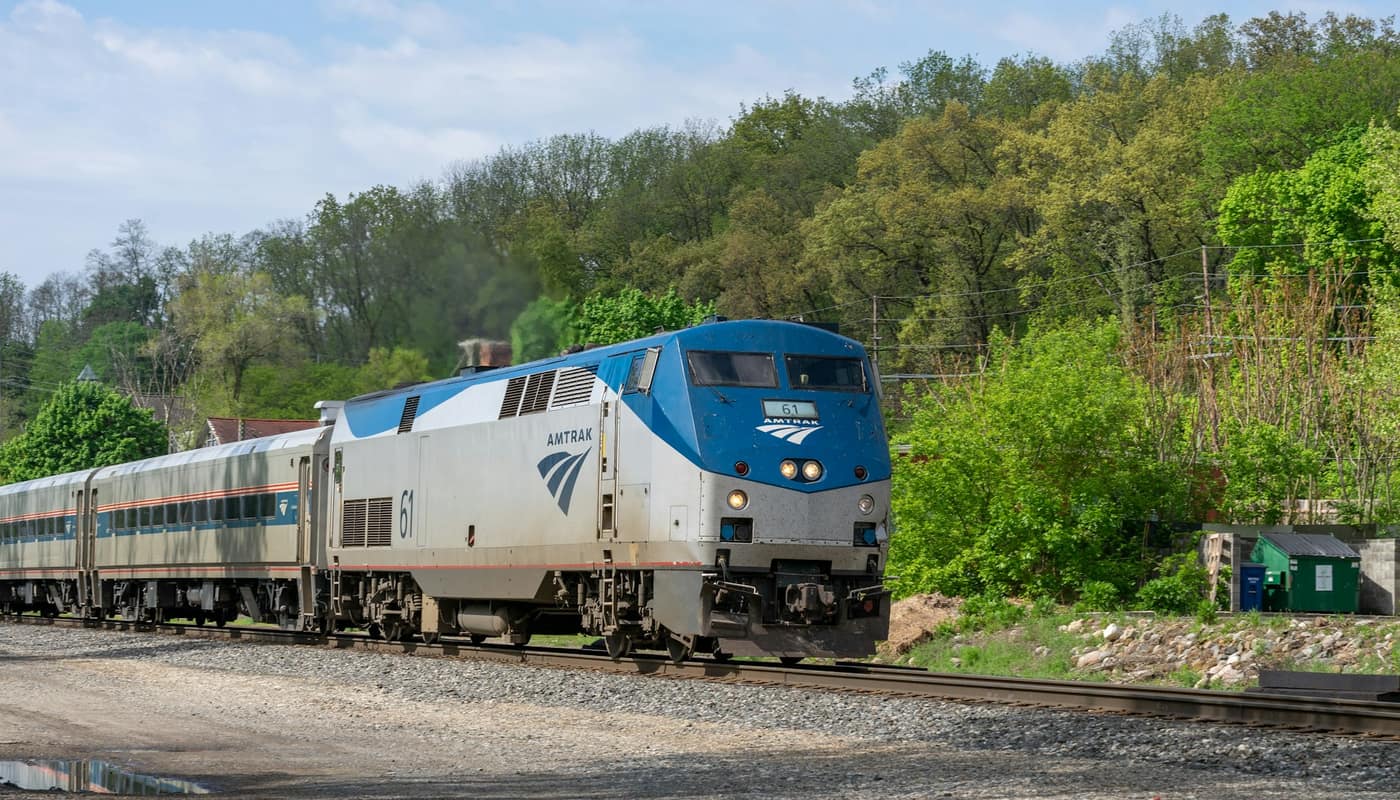
Many travelers who have driven the stretch of Interstate 5 between San Diego and Los Angeles have a story about traffic. The train is the alternative, and in a region built around freeways it is easy to overlook. The Pacific Surfliner, an Amtrak service supported by a coalition of California agencies, follows the coast for much of its route, with views of beaches, lagoons and bluffs, and it connects San Diego with a long list of cities up the coast. For a weekend trip or an airport connection, it can be a relaxed way to travel.
What is the Pacific Surfliner?
The Surfliner is a passenger rail service that runs along a corridor of roughly 350 miles, from San Diego in the south through Orange County, Los Angeles and Ventura County to Santa Barbara and San Luis Obispo in the north. It serves a few dozen stations. Some trains run the full length of the corridor, while many shorter trips run between San Diego and Los Angeles, or between Los Angeles and Santa Barbara, with the number of trains varying by season and day. Amtrak operates the trains, while a state-supported agency coordinates the corridor and its planning.
In San Diego County, the route passes through several stations, including the downtown Santa Fe Depot, Old Town, Solana Beach and Oceanside, with additional stops in nearby cities. Each station has its own character, from the ornate historic depot downtown to small platforms near the beach.
Where does it stop in San Diego?
The two main San Diego stations are close to the heart of the city.
- Santa Fe Depot, downtown, is the main station, a Spanish Colonial building from the early twentieth century. It connects with the Trolley, buses and the COASTER commuter train, and it is within walking distance of the waterfront and the Gaslamp Quarter.
- Old Town Transit Center is a second stop in the city, with connections to the Trolley and buses and a short walk to the historic district.
Other stations farther north in the county include Solana Beach and Oceanside. Those links, together with how to pay and where to transfer, are explained in riding the Trolley and buses.
How long does the trip take?
Travel time depends on the train and the stops. Between San Diego and Los Angeles, the trip typically takes several hours, with express trains making fewer stops. Because schedules and construction can change the times, riders should check the current timetable on the Surfliner or Amtrak website. Some segments along the coast have had temporary schedule changes during track work, particularly on stretches where bluffs are being stabilized.
Compared with driving, the train is slower in good traffic and sometimes faster in bad, and its main advantage is that passengers can work, read or watch the scenery instead of driving.
How do you book?
Tickets are sold through Amtrak’s website and app, at station ticket windows and kiosks, and by phone. Fares vary by the date, the time of day, how far in advance you book and how full the train is. Service typically offers coach seating and an upgraded business class with extra legroom, and tickets can be reserved ahead of time, with the option to choose seats on some trains. Passengers can sometimes buy tickets at the station, but fares can be higher, and popular trains can sell out on weekends and holidays.
The agencies that run the service have offered promotional fares and discounts at times, for example for specific groups or events, and those change often. Children, seniors, students, military and others may qualify for discounts, and some multi-ride passes exist. Check the official sites for current offers.
What is it like on board?
The cars are bilevel, with seating on two levels, and the upper level has good views. Seats are generally comfortable and recline, and trains have luggage racks, a cafe car with snacks and drinks, restrooms and power outlets at many seats. Wi-Fi is typically available but can be slow. Bicycles are accepted on many trains in designated racks, and surfboards and other large items have their own rules. Passengers should check the current policies and any reservation requirements, since space is limited.
The most scenic stretch for many riders is along the coast in northern San Diego County and southern Orange County, where the tracks run near the ocean, and a view of the water can appear within minutes of leaving the station.
How can you combine it with other travel?
Rail pairs well with other modes. Riders arriving at San Diego International Airport can reach the Santa Fe Depot by bus and Trolley, as covered in how the airport is run. In Los Angeles, the train arrives at Union Station, which connects to the region’s subway, buses and other rail lines. Many travelers use the train for one direction and a car or flight for the other, or take a day trip with a return in the evening.
The train also serves events. Baseball fans can arrive by train and take the Trolley to the ballpark, a combination described in the Petco Park guide, and visitors headed to other coastal towns can use the train for day trips to the beach, restaurants or shops.
What are the challenges?
The rail corridor faces serious physical problems. Parts of the route run along eroding coastal bluffs, particularly near Del Mar, and the tracks have required repeated stabilization and, at times, short-term service interruptions. The state and local agencies have been studying long-term solutions, including moving the tracks inland, which would be expensive and complex. The corridor also shares track with freight and commuter trains, and its capacity limits how often trains can run. Regional planning of the corridor is part of the broader work of agencies like the one described in what SANDAG does.
Ridership and schedules have also been affected by the pandemic years, and service has expanded and contracted since. Travelers should expect some variation and check ahead.
What should riders pack and plan for?
A few simple preparations make the trip easier. Arrive at the station about fifteen to thirty minutes before departure, since boarding begins shortly before the train leaves and seats are often assigned by car. Bring a light jacket for air-conditioned cars, snacks if you prefer your own, and a charger. Check platform and track information on station screens, because trains can arrive on different tracks. For travelers with luggage or bicycles, the lower level of the car has racks near the doors, and staff on board can answer questions about where to stow items.
Who is the Surfliner best for?
The train suits travelers who value comfort and scenery over speed, those who prefer not to drive, and those traveling in groups or with luggage who appreciate the space. It is a good fit for weekend trips, day trips and connections to other transit. It is less convenient for people who need to reach places far from stations, or who need a late-night return, since evening service can be limited.
For a first ride, picking a morning train, a window seat on the ocean side and a destination within a short walk of the station can make the trip simple and pleasant.
Sources: Amtrak; Pacific Surfliner; Los Angeles - San Diego - San Luis Obispo Rail Corridor Agency; San Diego Metropolitan Transit System