Beneath the soaring concrete pillars of the Coronado Bridge, a park full of color stands in one of San Diego’s oldest working-class neighborhoods. The pillars themselves are painted with murals of Mexican and Chicano history, cultural icons, indigenous symbols and political themes, creating an open-air gallery that is one of the largest collections of its kind in the country. Chicano Park is a landmark of art, but its meaning comes from the story of how it was won, and that story is a lesson in how a community can shape its own space.
What was Barrio Logan like before the park?
Barrio Logan is a neighborhood just south of downtown, between the bayfront and the freeways. For decades it was a center of Mexican American life in San Diego, with homes, shops, churches and a lively street culture, as well as shipyards and industry nearby. In the 1950s the area was rezoned to allow industrial uses, and in the 1960s the construction of Interstate 5 and then the Coronado Bridge cut through the neighborhood. The projects displaced many families, divided the community and left a landscape of concrete ramps and pillars. Residents had been promised a park under the freeway interchange, but instead the land was slated for other uses.
What happened on April 22, 1970?
On that day, residents learned that bulldozers were preparing the land beneath the bridge for a California Highway Patrol substation, not the park they had been promised. Local people, students and activists gathered at the site, and in what became known as the takeover, hundreds of them occupied the land, planting cacti, flowers and trees by hand and refusing to leave. The occupation lasted for roughly two weeks in some accounts. Protesters and supporters from across the city joined, and the pressure led officials to agree to a park. The city eventually committed to developing the land for community use, and the CHP station was not built.
The takeover is remembered as a defining moment in the Chicano civil rights movement in San Diego and for the idea that a community could claim public space for itself.
How did the murals come about?
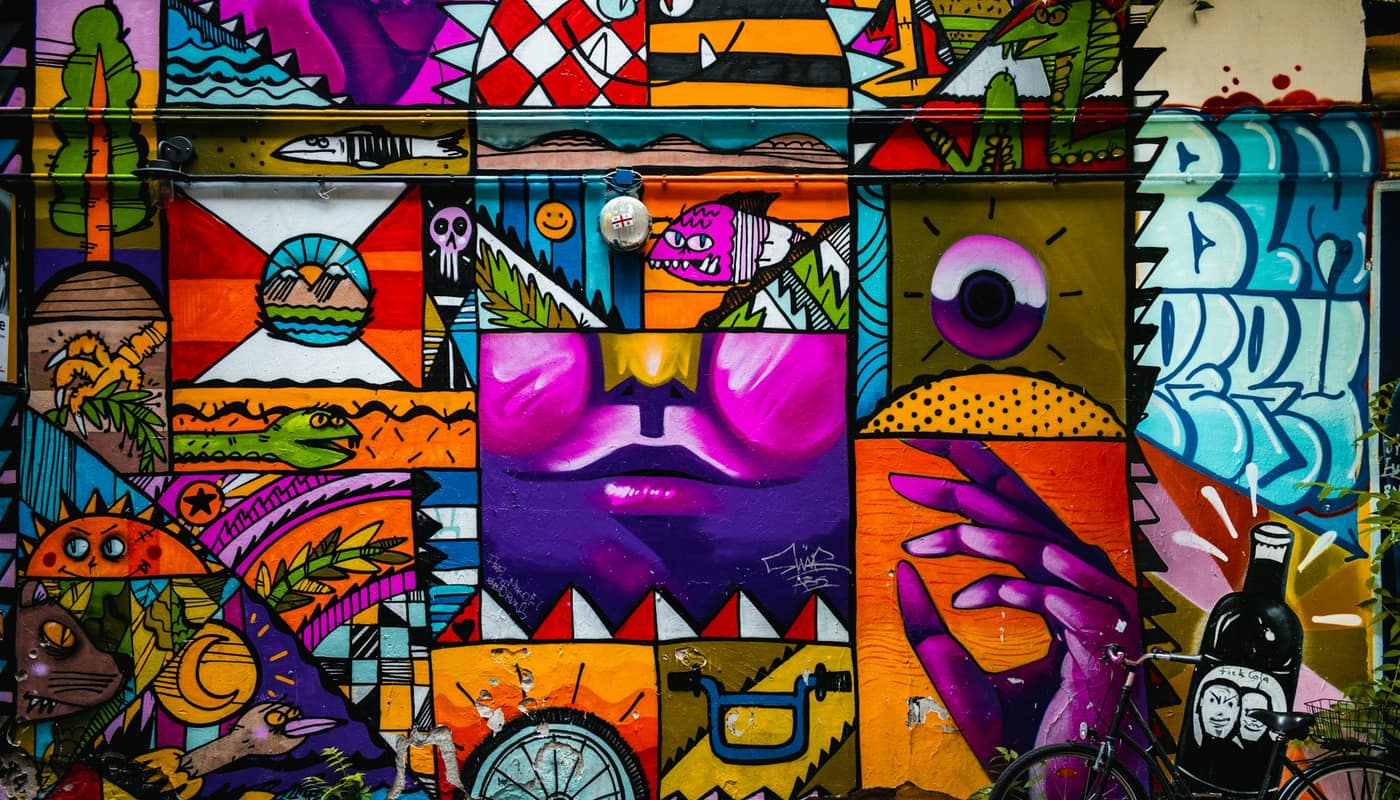
The painting began a few years later. In the early 1970s and after, artists from the neighborhood and from across the region, including local artists, students and muralists, began painting the bridge pillars and the park’s walls. The murals draw on Mexican muralist traditions, the work of Diego Rivera and others, as well as Chicano art, pre-Columbian imagery and contemporary themes. Over the decades, many more were added, and the collection grew into dozens of large works. Counts vary by source, depending on how murals are defined and counted.
The murals depict a wide range of subjects: Aztec and Mayan symbols, historical figures such as Benito Juárez, labor leaders such as César Chávez, Frida Kahlo, the Virgin of Guadalupe, scenes of the takeover and the struggle for the park, and themes of identity, migration and resistance. Many were restored over the years, and new murals have been added by new generations of artists. The works are community property, and the neighborhood has worked to maintain them.
What recognition has the park received?
Chicano Park has been recognized at several levels. The city’s historical resources board designated it a historic site in 1980. It was listed on the National Register of Historic Places in 2013 and was designated a National Historic Landmark in late 2016, one of the nation’s highest historic designations. The honor came after years of work by community members and elected officials.
The park remains a community space. It has a kiosk, a stage for performances, a dance area and a monument-like plaza, and it hosts gatherings, ceremonies and cultural events throughout the year.
What is Chicano Park Day?
The largest event is Chicano Park Day, held each April near the anniversary of the takeover. It brings together residents, artists, musicians, dancers, lowrider clubs, vendors and visitors for a celebration that includes Aztec dance, mariachi, folk music, food and speeches. It is a reminder of the park’s origins and of the continuing work of the community. The event is organized by community groups, including the Chicano Park Steering Committee, which was formed by people involved in the takeover and has continued to look after the park and its history.
How should visitors approach the park?
The park is open to the public and free to enter, and it is meant to be visited. Some points of etiquette help:
- Treat it as a community space. People live and gather here, and events and ceremonies take place. Respect those in progress.
- Take your time with the murals. Each tells a story, and reading about them, through signs, guided tours or the steering committee’s resources, deepens the experience.
- Do not touch or climb the murals. They are works of art and are vulnerable to damage.
- Ask before photographing people. Photographing the murals is welcome, but participants in events and residents deserve courtesy.
- Support the neighborhood. Nearby restaurants, shops and cultural spaces are part of the community’s life.
Guided tours, led by community members, are offered at times and provide context that signs cannot. The Chicano Park Steering Committee and local cultural organizations publish information about tours and events.
How does the park connect to the larger region?
The park sits beneath the Coronado Bridge, whose construction displaced people and prompted the takeover. It lies near the port and shipyards, whose operations affect the neighborhood’s air quality and traffic, a theme in what the Port of San Diego manages. Questions about how highways and large projects shape neighborhoods remain central to regional planning, which is why public input is built into the processes covered in what SANDAG does and in the neighborhood-level reviews described in what community planning groups do. Visitors can reach the area using the Trolley, with stations nearby, as covered in riding the Trolley and buses.
How is the park cared for?
Maintaining outdoor murals is a continuing task. Sun, salt air, traffic vibration and age wear down paint, and some works have been restored by their original artists or by conservators working with the community. The neighborhood has organized restoration projects, often with grants and volunteer labor, and has documented the murals so that each can be identified and studied. Visitors can help by respecting the works, reporting damage and supporting the groups that raise money for upkeep. The park’s care reflects the idea at its heart: that the people who live with a place are best placed to look after it.
Why the park matters
Chicano Park shows what can happen when residents shape their own landscape. The murals are beautiful, but they are also a record of a community’s history and values, painted by the people who lived it. For visitors, the experience is a chance to see how art and activism can reclaim a place that planners had overlooked. For the neighborhood, it remains a home, a gathering place and a source of pride.
Sources: Chicano Park Steering Committee; National Park Service; City of San Diego Historical Resources Board; San Diego History Center