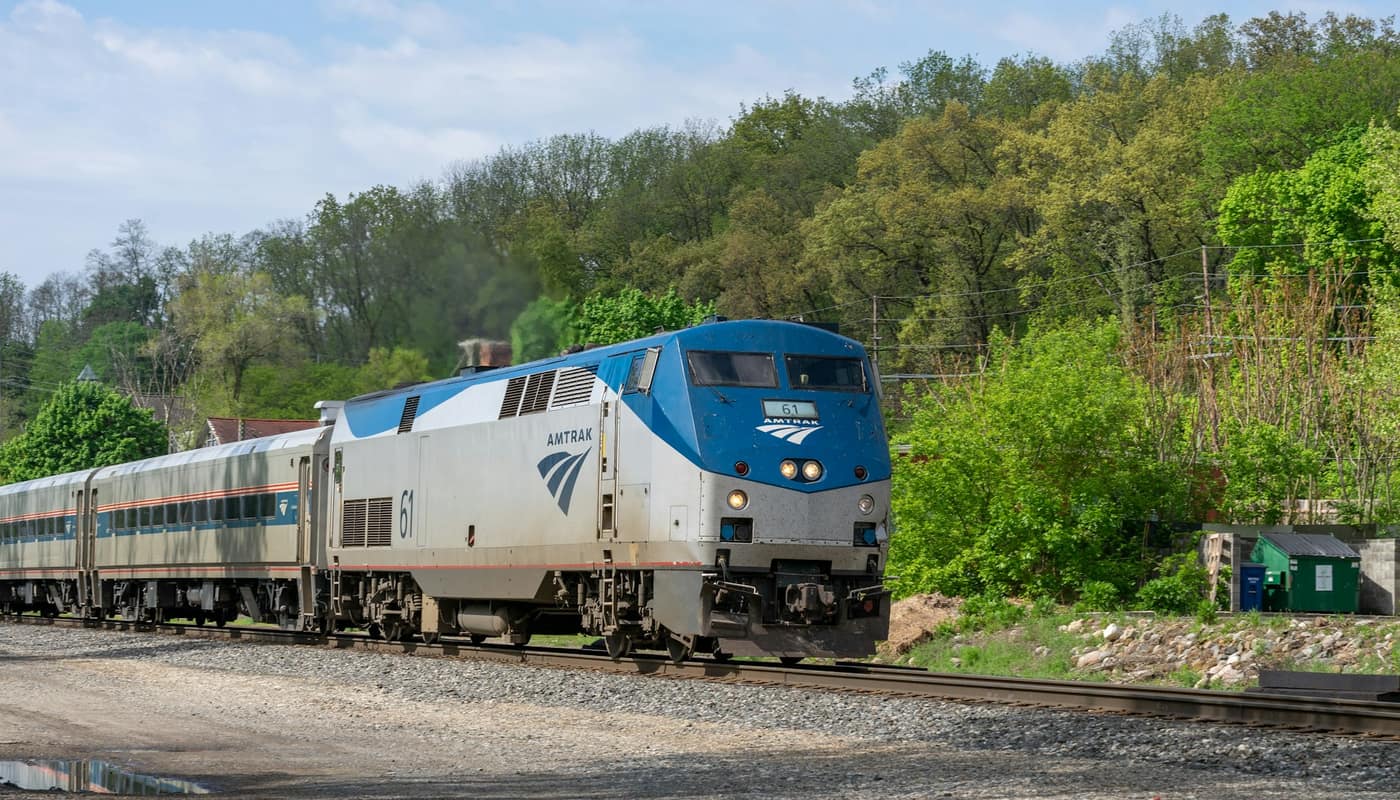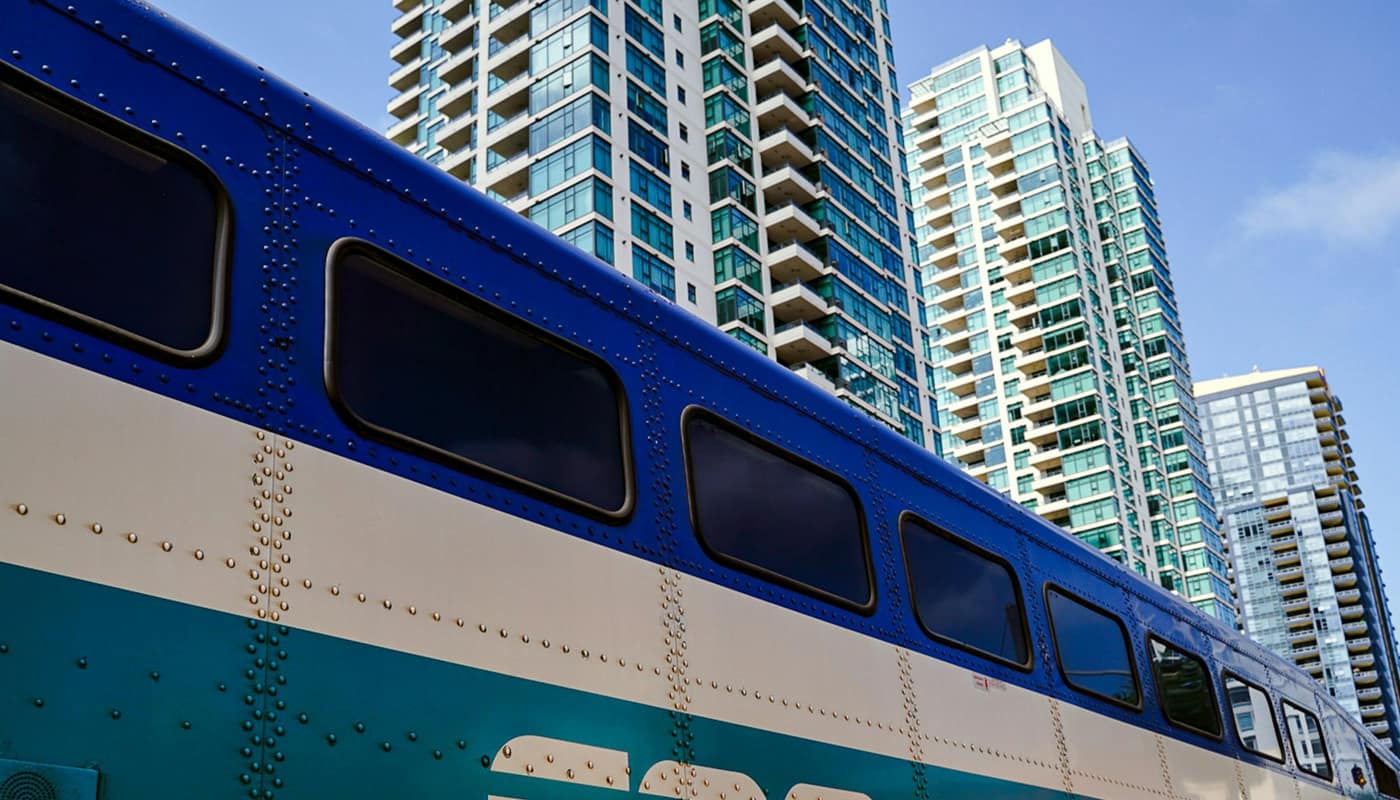
San Diego County has two passenger trains on one coastal rail line. The COASTER is a commuter train run by the North County Transit District (NCTD) between Oceanside and downtown San Diego, and the Pacific Surfliner is Amtrak’s longer intercity service that continues north toward Los Angeles and beyond. Ticketing is the main difference: according to the San Diego Metropolitan Transit System (MTS), COASTER riders must buy a day or month pass before boarding, while Surfliner tickets come through Amtrak.
What is the difference between the COASTER and the Pacific Surfliner?
Think of the COASTER as a local and regional commuter service, and the Surfliner as the long-distance option. Times of San Diego, reporting on a May 2026 maintenance closure, described NCTD as the operator of the COASTER and said the closure covered both Amtrak and COASTER service on the Los Angeles–San Diego–San Luis Obispo rail line. The two services share the same tracks between Oceanside and the Santa Fe Depot in downtown San Diego.
That shared corridor explains why delays, construction and closures often affect both trains at once. It also means the practical question for most riders is not which line to use, but which service fits the trip: a stop inside San Diego County, or a ride that continues into Orange or Los Angeles counties.
For a fuller look at the longer route, see the Post’s guide to riding the Pacific Surfliner to Los Angeles.
Where do the trains go within the county?
Both services serve the corridor between the Oceanside Transit Station in the north and the Santa Fe Depot downtown, the two endpoints named in the NCTD closure notice. Between them, the line runs through coastal North County and the Sorrento Valley area before reaching the city.
Not every train stops at every station. As a rule, the COASTER is built around commuter stops, including Sorrento Valley, while the Surfliner makes fewer stops within the county. Riders should confirm which stations a specific departure serves in the NCTD or Amtrak timetable, because stopping patterns differ by train and can change.
Sorrento Valley is a useful example of how the COASTER works as a commuter service. According to a 2024 KPBS report citing the San Diego Association of Governments (SANDAG), the Sorrento Valley station ranked third among COASTER stations in use in 2023. SANDAG also said the surrounding area had about 129,000 jobs in 2023, the largest employment center in the county, with nearly 60,000 workers commuting from North County.
How do you pay for a COASTER ride?
MTS publishes COASTER passes on its fare chart. A footnote there says COASTER requires the pre-purchase of a day or month pass. As the page read when reviewed for this article, the prices were:
| Pass | Adult | Reduced fare |
|---|---|---|
| COASTER 1-day pass | $15 | $7.50 |
| COASTER month pass | $185 | $60 |
According to MTS, the COASTER Regional Pass also covers COASTER, SPRINTER, BREEZE, FLEX, MTS Bus, MTS Trolley, MTS Rapid, MTS Rapid Express and MTS Rural. In other words, a COASTER pass can also work as a regional transit pass for the day or month.
Reduced fares require identification, according to MTS. The fare chart does not spell out eligibility, and MTS points to a separate reduced fares page for those rules. Fares change, so check the MTS or NCTD fare pages for current prices before you travel.
A worked example
Illustrative arithmetic, using the prices above: a commuter who rides five days a week for roughly 22 weekdays in a month would pay 22 × $15 = $330 in day passes, compared with $185 for a month pass. Part-time riders can run the same comparison with their own number of days. The break-even is $185 ÷ $15, or about 12.3 day passes, so 13 or more days in a month favors the month pass on price alone. This is arithmetic, not a recommendation, since service levels and personal schedules differ.
How do you buy a Surfliner ticket?
Surfliner tickets are sold by Amtrak, which operates the service. No agency page reviewed for this article gave current Surfliner fares, and fares vary by date, time and demand, so check Amtrak or the Pacific Surfliner site for the price of a specific trip.
One question riders often ask is whether a ticket for one train works on the other. MTS’s fare chart does not mention the Surfliner at all, so do not assume a COASTER pass is valid on Amtrak or the reverse. Ask NCTD or Amtrak about any cross-honoring arrangement before relying on it.
What happens when the line closes for maintenance?
Closures are a real part of using these trains. NCTD announced that no passenger or freight trains would run between the Oceanside Transit Station and the Santa Fe Depot on Saturday and Sunday, May 16 and 17, 2026, with regular service resuming Monday, May 18. According to that notice, the closure allowed maintenance and construction work, including SANDAG crews working on the Batiquitos Lagoon Double Track project and stabilizing the Del Mar bluffs.
The notice as reported did not describe replacement buses, and it directed riders to NCTD’s alerts page for details. Weekend closures happen periodically, so a weekend trip planned weeks ahead is worth rechecking a few days before. For background on the agency behind the construction, see what SANDAG does.
How do you get to and from the station?
Many trips fail at the first or last mile rather than on the train. Several options are available:
- Trolley and buses downtown. The Santa Fe Depot connects with MTS services; the Post’s guide to riding the Trolley and buses explains fares and transfers.
- Employer shuttles and connector buses. In Sorrento Valley, NCTD restored and expanded its Coaster Connection bus service in June 2024, according to KPBS. The service has five routes linking the COASTER to Sorrento Valley, Sorrento Mesa, Carroll Canyon, Torrey Pines and University City/UCSD. NCTD expected the routes to carry about 30,000 riders per year. MTS had ended its own version in 2023 for budget reasons, KPBS reported.
- Walking or biking. Check each station’s access and the train’s bike policy on the operator’s site.
Connector service can change, so verify routes and hours with NCTD.
What mistakes do first-time riders make?
- Boarding without a pass. Because COASTER requires a day or month pass bought in advance, according to MTS, a rider who waits until the platform may be caught out. Buy the pass first.
- Assuming the two trains are interchangeable. The shared tracks do not mean shared tickets or identical stops.
- Ignoring weekend alerts. A maintenance closure can stop both services between Oceanside and downtown.
- Relying on old fares. Price figures in older articles, including some archived transit pages, may be out of date. Treat any number, including those here, as dated to the day of the source.
- Crossing tracks casually. NCTD’s closure notice reminded residents to cross the tracks only at designated crossings, particularly when test trains and equipment are active.
Choosing a train for the trip you have
For a commute within the county, particularly to a job center such as Sorrento Valley, the COASTER and its pass structure are designed for the purpose. For a trip that continues past Oceanside into Orange or Los Angeles counties, the Surfliner is the service that runs there. In either case, the sturdy approach is the same: confirm the stop, buy the right ticket or pass first, and check NCTD alerts before leaving. Where a figure matters, rely on the agency pages over any summary, including this one.
This article is general information about public transportation, not personalized travel, financial or legal advice. Fares, schedules and closures change.
Sources: San Diego Metropolitan Transit System; Times of San Diego; KPBS