Presidio Hill, the bluff above Old Town now occupied by Presidio Park, is where Spain established its fort and first mission in what is now California in 1769. The fort fell into ruin in the 1800s, and the hilltop became a park and history museum in the twentieth century.
A presidio is a Spanish colonial military garrison, and the term is the key to the hill’s story. The soldiers’ fort came first, the mission was founded beside it, and the mission soon moved inland. The hill then kept its place as a seat of military authority for decades.
What was Presidio Hill before 1769?
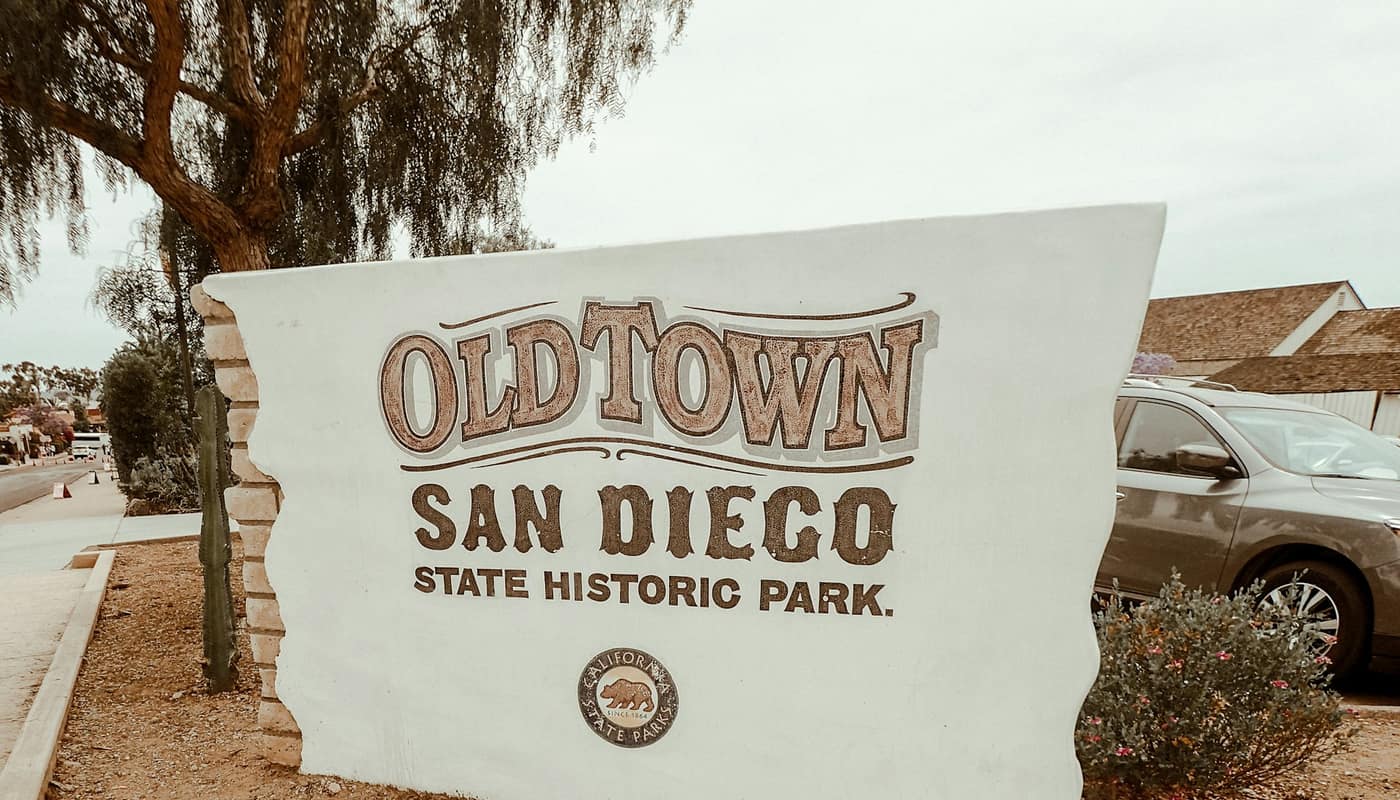
The hill was not empty. According to a Times of San Diego account of the park’s history, the Spanish expeditions established the Presidio Real de San Diego on a bluff overlooking the Kumeyaay village of Kosa’ii, also spelled Cosoy. California State Parks, in its description of Old Town San Diego State Historic Park, likewise notes that the area lies on the ancestral land of the Kumeyaay, the First People. Any account of the presidio begins with a place that already had residents and a name.
What happened on the hill in 1769?
The City of San Diego’s page for the Presidio Recreation Center says the Spanish Presidio of San Diego was established on Presidio Hill on the day Gov. Gaspar de Portolá claimed Alta California for Spain, and calls it the first permanent European settlement on what is now the U.S. Pacific Coast. Alta California means “Upper California,” Spain’s name for the territory north of the Baja California peninsula.
Sources differ on the day. The city’s recreation center page dates the presidio to July 1, 1769, while the Times of San Diego account says Portolá’s and Serra’s expeditions joined on July 16, 1769. July 16 is the date generally given for the mission’s founding. The city’s park page and California State Parks both describe the 1769 founding of a mission and fort, so the year is firm even where the day varies.
Why did the mission move away from the hill?
The first mission, San Diego de Alcalá, began beside the presidio. According to the Times of San Diego account, a chapel was moved in 1774 to a site farther east, and the mission remains there today in Mission Valley. The Times describes it as the first of the California missions. The mission’s own story, including the 1775 attack and its later restoration, is told in our history of Mission San Diego de Alcalá, so this article stays with the hill.
How did the presidio change over time?
The City’s timeline for the hill gives these milestones.
| Date | What the city’s page says |
|---|---|
| 1769 | Presidio established on Presidio Hill |
| Early years | Original buildings made of wood |
| 1778 | Presidio rebuilt in adobe |
| 1822 | Mexican army takes control after news of Mexican independence reaches California |
| 1825–1829 | Site serves as the Mexican governor’s residence |
| 1835 | Pueblo de San Diego founded; presidio buildings fall into ruin |
| 1929 | Park established on the site |
Adobe is a sun-dried brick made of earth and straw. It was the common material in Spanish and Mexican California, and it explains why little survives above ground: unprotected adobe dissolves over time once a roof fails. The 1835 date reflects a shift of daily life down the slope. The pueblo, a civilian town, grew near the area now preserved as Old Town. A visitor who wants to see the later town can read our guide to Old Town San Diego State Historic Park.
California State Parks says that San Diego later passed under the newly formed Mexican government and then, after the Mexican-American War, became part of the United States as California gained statehood. The park page gives no specific dates for those transitions.
Who turned the hilltop into a park?
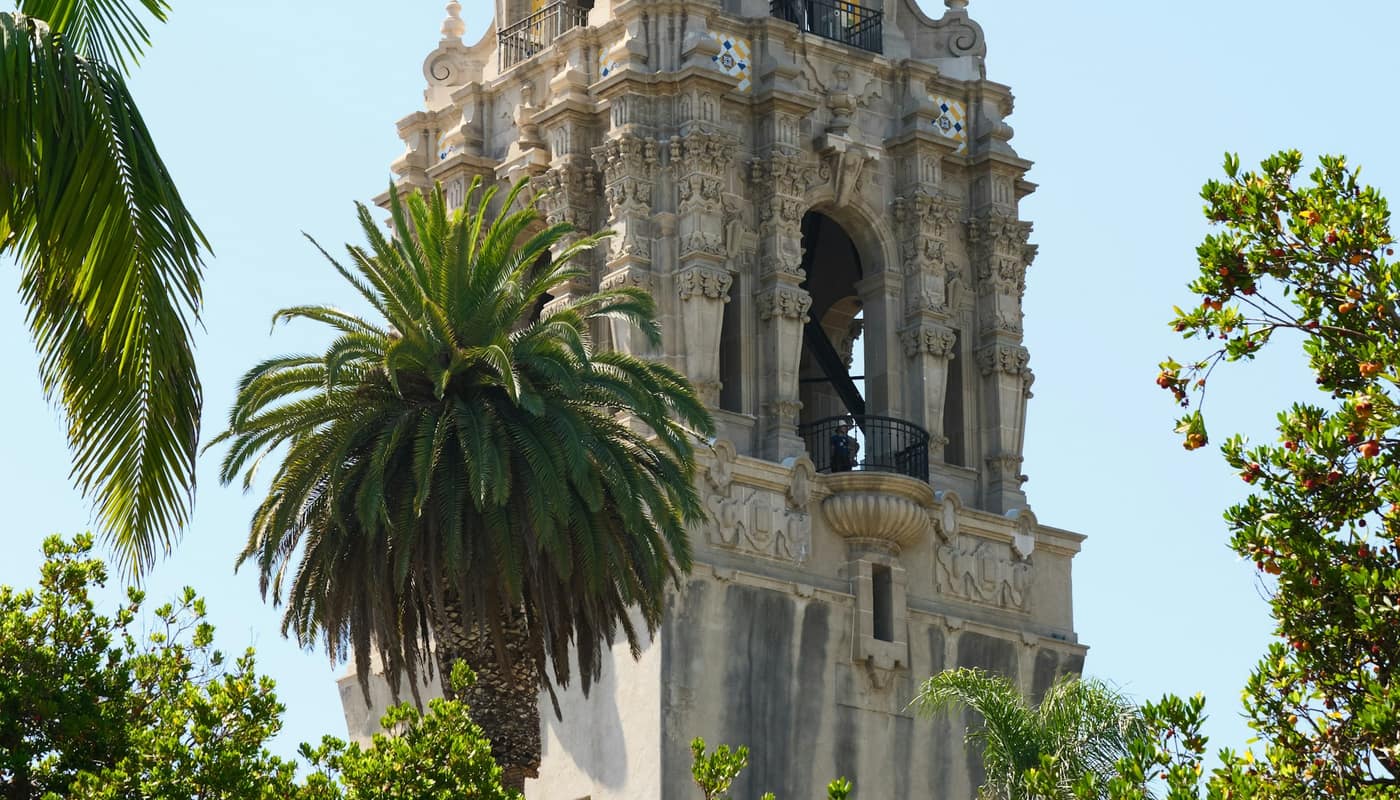
According to the City of San Diego’s digital archive entry for Presidio Park and the Junípero Serra Museum, George Marston bought Presidio Hill in 1907. The page says that in 1925 he built the park, planned by architect John Nolen, and the museum, designed by William Templeton Johnson, and that in 1929 he donated the park to the city. The Times of San Diego account says the museum was built in 1929 and was meant to commemorate the 1769 founding of the first permanent European settlement in California. The two accounts differ by a few years on when construction began or finished, which is common for projects that took shape over a long period. The city’s recreation center page gives 1929 as the year the park was established.
The museum is operated by the San Diego History Center, which the city’s page still lists under its earlier name, the San Diego Historical Society. As of the city’s page, the museum houses archaeological artifacts related to Spanish and Mexican California.
What official recognition does the site have?
The Times of San Diego account lists these designations for Presidio Park:
- National Historic Landmark, October 9, 1960
- National Register of Historic Places, October 15, 1966
- California State Historic Landmark No. 59
- City of San Diego Historical Site No. 4
A National Historic Landmark is a federal designation for sites judged to have national significance. The National Register is the federal government’s broader list of historic places worth preserving. Dates for designations are best confirmed with the National Park Service’s register records, since this account comes from a single local article.
Is Presidio Hill’s story settled, or still disputed?
The basic facts of the hill are well established: a Spanish fort in 1769, rebuilding in adobe, Mexican control after 1822, ruin after the pueblo’s founding in 1835, and a park in the twentieth century. What is open to debate is how to tell the story.
A 2022 KPBS report on the museum’s renovation said Junípero Serra, the Franciscan friar for whom the museum is named, has become a controversial figure in recent years. The report said officials declined to discuss the issue at the ceremony and gave no further detail. The same report noted that the museum sits on Kumeyaay territory. Museums and historians continue to weigh how to present Spanish colonization alongside the Kumeyaay people’s long presence, and visitors can expect interpretation to evolve.
The 2022 museum renovation
KPBS reported on January 5, 2022, that the Conrad Prebys Foundation was giving the San Diego History Center $330,000 to restore the museum’s north tower and east facade, with work beginning that month and starting on the North Tower. The report described the building as 93 years old at the time, which is consistent with a 1929 construction date. Because that report is several years old, current conditions, hours and exhibits should be checked with the History Center.
How does the hill fit with other Spanish-era sites?
Presidio Hill is one of several sites that together tell the colonial and early statehood story: the mission in Mission Valley, the pueblo’s remnants in Old Town and, on the point of land across the bay, the earlier 1542 landing commemorated at Cabrillo National Monument. Each preserves a different layer of the region’s past. Presidio Park is also a city park, so it serves joggers, picnickers and school groups as well as history seekers.
Reading the landscape: a hill, a fort and a city
Presidio Hill shows how a place can hold three eras at once. A Kumeyaay village site, a Spanish and then Mexican fort, and a twentieth-century park built to remember them. The fort’s adobe walls are gone, but the hill’s role as the starting point of European settlement in California is recorded by the city, state and federal designations that mark it. For readers, the useful question is less “what is left?” than “which layer am I looking at?”
This article is general historical information. For current hours, admission and exhibits, consult the San Diego History Center and the City of San Diego.
Sources: City of San Diego; California State Parks; Times of San Diego; KPBS