Chicano Park, in San Diego’s Barrio Logan neighborhood, began as a 1970 community protest over land beneath a new bridge and is now a National Historic Landmark. According to the National Park Service, the landmark designation is dated December 23, 2016, and it was publicly announced by the Interior Department in January 2017.
This article follows that path, from the neighborhood’s loss of land to a federal designation, and explains what the title does and does not do. For the murals themselves and tips for visiting, see the earlier guide to Chicano Park and its murals.
What was the story behind Chicano Park?
The short version, as reported by KPBS, is that Latino community protests in 1970 halted construction of a California Highway Patrol office on land in Barrio Logan that the city had promised to use as a park. The park was later built under the mainland end of the San Diego-Coronado Bay Bridge.
The longer version starts with the neighborhood’s division. In KPBS’s account, Interstate 5 and the Coronado Bay Bridge had divided the community. When residents opposed a highway patrol station in place of the promised park, they occupied the land and formed a human chain around bulldozers. KPBS reports that they held the site for 12 days. A member of the Chicano Park Steering Committee, Josephine Talamantez, described the episode to KPBS as a turning point in relations between the Chicano community and San Diego’s leadership.
Accounts of the occupation differ slightly in how they describe its length and details, so it is safest to attribute specifics to the source. What the sources agree on is the outcome: the patrol office was not built on that land, and the park exists.
How did the murals end up in the landmark story?
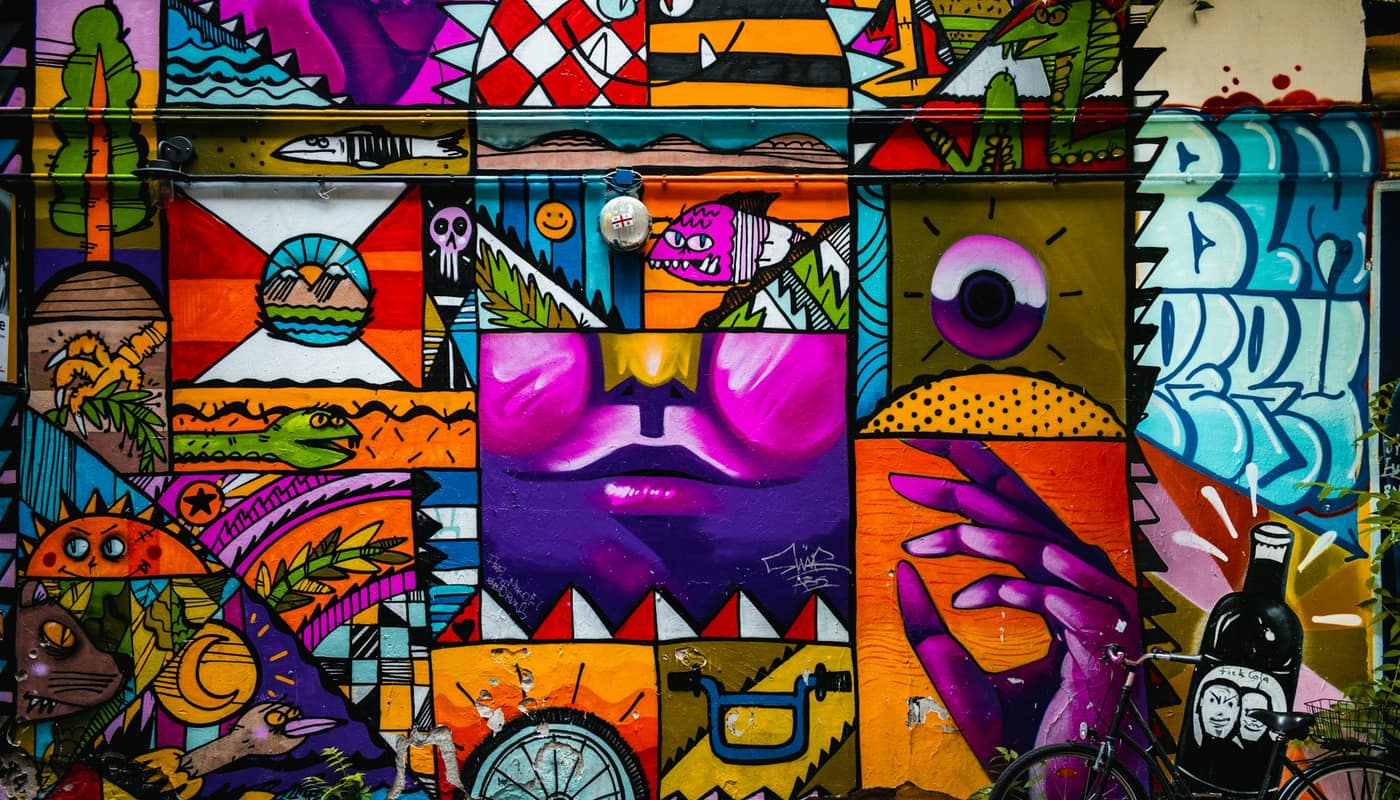
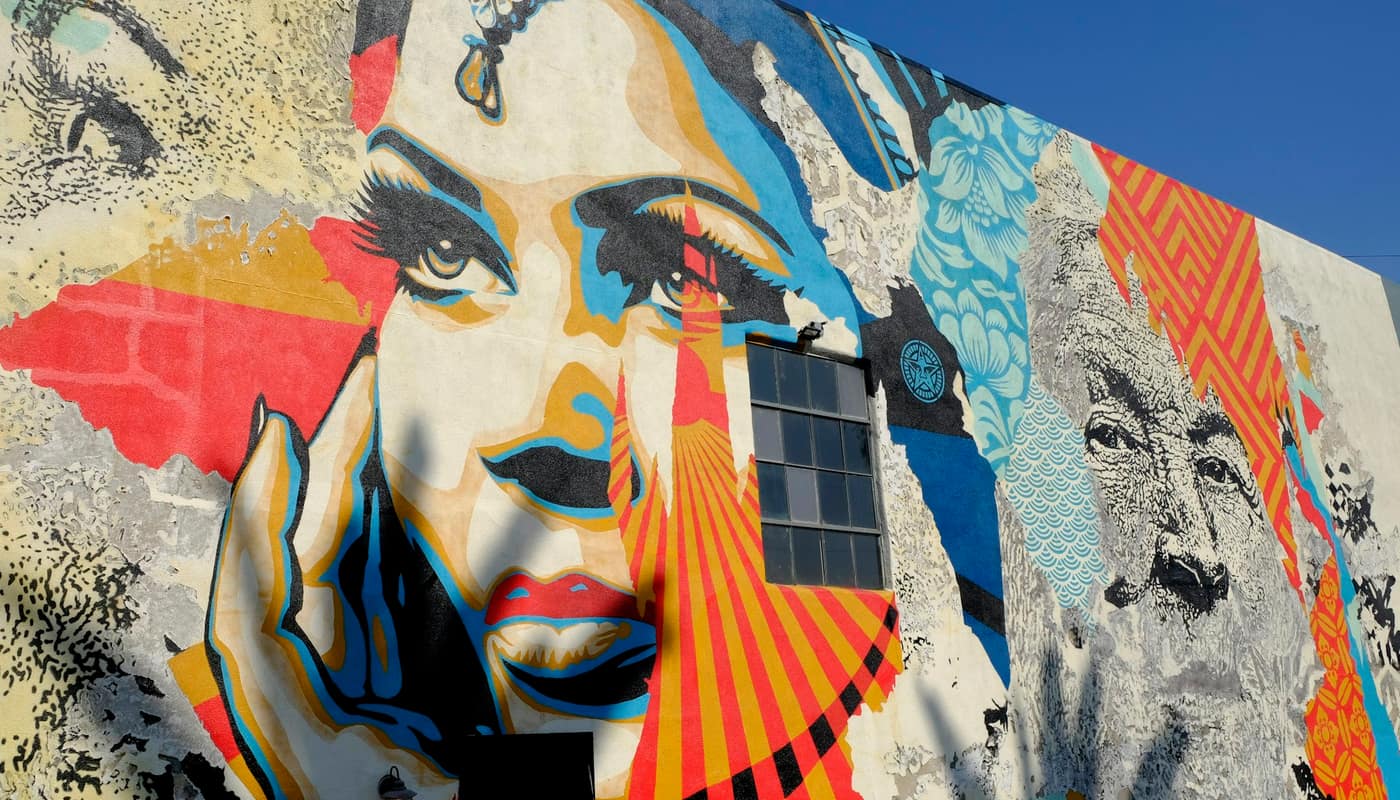
The paintings are not a side detail. Painter Victor Ochoa told KPBS that the first murals date to the early 1970s, and they have long symbolized the neighborhood’s struggle. The National Park Service, in an educational article, says the park holds 72 murals that tell the story of the Chicano movement, with themes including indigenous roots, stolen land, myths, immigration and the people’s struggle. Other sources give different counts, since a total depends on how a “mural” is defined, so the figure is best read as one agency’s count.
Talamantez told KPBS that the murals were intentionally included in the national register nomination. She also described a 1990s visit from the state transportation agency Caltrans, in which a historian who first saw the murals as graffiti later recognized their significance. The audio of that account was unclear in the published transcript, so the details are not repeated here.
What is a National Historic Landmark?
The National Historic Landmarks program recognizes historic properties that illustrate U.S. heritage, according to the National Park Service. They can be buildings, sites, structures, objects or districts, each representing an outstanding part of American history and culture. The agency says the Secretary of the Interior announces designations, and it states that there are over 2,600 landmarks nationwide. As of the agency’s state list, California has 151.
The program is more selective than the National Register of Historic Places, which also lists Chicano Park. The park service says a landmark must retain a high degree of integrity, a higher standard than National Register listing requires. A federal NHL Committee takes part in reviewing nominations, and the agency publishes guidelines for preparing them.
The six criteria
The agency measures nominations against six criteria. In plain terms:
| Criterion | What it covers |
|---|---|
| 1. Events and patterns | One of the strongest associations with a nationally significant event or broad pattern in U.S. history |
| 2. People | Close ties to the lives of nationally significant persons |
| 3. Ideals | A great American ideal; applied rarely and usually overlaps with 1 or 2 |
| 4. Architecture and engineering | Exceptional works of design or construction |
| 5. Historic districts | Groups of resources that together are nationally significant |
| 6. Archeology and science | Places that have yielded, or may yield, information of major scientific importance |
The park service’s eligibility page lists Chicano Park as an example of Criterion 5, the historic district category, and also notes that Criterion 1 applies. In other words, the federal case rests on the park as a collection of connected parts, the murals, the pillars, the plazas and the open ground, and on its association with a broader pattern in history.
Who pushed for the designation, and what did they say?
KPBS reported that Rep. Juan Vargas, a Democrat from San Diego, introduced a bill calling on the Interior Secretary to study whether the park should be a landmark. According to KPBS, it passed the House the previous year but was not taken up by the Senate, and he reintroduced it the week before the announcement.
Several people quoted by KPBS framed the stakes in terms of memory. Vargas said the designation would preserve “the story of struggle and unity of the Mexican-American community in Barrio Logan.” Then-City Councilmember David Alvarez said it “will help preserve this location for generations to come.” Ochoa spoke of “pride of the history of our community.” Interior Secretary Sally Jewell, who named 24 new landmarks that day, said the designations “depict different threads of the American story.” These are the speakers’ own characterizations, not findings of the park service.
Why do two dates appear for the designation?
Readers sometimes find the landmark dated to late December 2016 in one place and January 2017 in another. Both can be right. The park service’s list gives December 23, 2016 as the designation date. KPBS reported the Interior Department’s public announcement on January 11, 2017, when the Secretary named the batch of 24. A reasonable reading is that the first is the date on the federal record and the second is when it was announced, though the sources reviewed do not spell out the gap, so this explanation is an inference rather than a stated fact.
What does landmark status actually change?
The title is an honor and a recognition. It is not ownership, and it does not put the park under federal management. The sources reviewed do not describe any new regulations tied to the designation, and readers who need details on funding, preservation review or rules for work in the park should check with the National Park Service and the City of San Diego directly.
What advocates hoped it would do was strengthen the community’s hand. In a KPBS report published January 16, 2017, Talamantez said she hoped landmark status would help the Steering Committee lease a vacant city building at the park’s edge for a museum, avoiding a public bid process that could put the lease out of reach. According to that report, the community college district had leased the building for nearly 40 years with the understanding it would become a community center, and left in 2015. The mayor’s office did not respond to KPBS’s request for comment, and the article is from 2017, so the current status of the building and the museum plans should be checked with the city and the committee.
What are common misconceptions about the park?
- “The park is a city park, so it needs no special protection.” The city manages public parkland, but the designation reflects national significance. It does not replace local decisions.
- “The murals were commissioned as public art.” The accounts above describe community painting that began in the early 1970s, with the community itself placing the murals in the story of the park.
- “The takeover and the park opened on the same day.” The 1970 occupation halted the patrol office. The sources describe the park being built afterward.
- “Every source agrees on the numbers.” They do not. Mural counts and the length of the occupation vary, so figures here are attributed.
Why the neighborhood context still matters
The park lies in a part of the city shaped by highways, a bridge and a working waterfront. Questions about who bears the cost of large projects are the kind that regional planners handle in processes described in what SANDAG does, and the nearby waterfront is part of the territory covered in what the Port of San Diego manages. Visitors who do not drive can plan a trip using the guide to riding the Trolley and MTS buses.
A landmark that began as a protest
Chicano Park is unusual among National Historic Landmarks because its origin is a community’s refusal rather than a founder’s design. The federal record describes it as a historic district tied to a national pattern in history, and the people who fought for the title describe it as a way to keep a local story from fading. Both framings can hold: the paperwork explains why the nation counts it, and the neighborhood explains why it matters. For current events, tours and park rules, the Chicano Park Steering Committee and the City of San Diego are the places to ask.
This article is general information about local history and a federal program, not legal or preservation advice.
Sources: National Park Service; KPBS